Featured

WHEN NORMAL FEELS ABNORMAL🌞: SELECTED INSIGHTS FROM JLF 2025

EACH YEAR, AS THE LITERATTI, POLITICOS, AND STORY TELLERS DESCEND ON THE JAIPUR LITERATURE FESTIVAL STAGES, WE ARE REGALED BY THE VOICES OF HIGHLY EVOLVED PERSONALITIES. SANGEETA WADDHWANI CULLS SOME PRICELESS INSIGHTS FROM SELECT SESSIONS, ALL THE WHILE WONDERING WHERE DID THOSE TEMPESTOUS, CONTROVERSIAL, PROVOCATIVE AUTHORS GO?

First things first.

Kudos to JLF for soldiering on, rooting for the power of fresh ideas, looking up and bringing in fresh voices and audiences for books – a 1,500 -year -old medium that tends to be consumed more now as material for podcasts, micro-blogging, OTT webseries. Or of course, as an Audibles on Amazon experience!

As a book loving purist, each year, I attend JLF telling myself, “no need to bring heavy books home…just download the kindle version or Audible and listen to it as a bedtime ritual:)”

But nothing beats the high of holding a fragrant, hot-of-the-press hard copy and even better, meeting the author and getting it anointed by a signature. Old habits, thankfully, die hard!

My first session at JLF featured Tina Brown speaking to Chiki Sarkar. Titled after Tina’s new book, The Palace Papers: The House of Windsor,  it was all about watching the former Editor- in -Chief of Vanity Fair and the Tattler, and now the Daily Beast, an online venture, share perspectives on the beleagured institution of the British monarchy, seeing how it will eternally be one of the most engaging “reality shows” of all time!

In a rivetting analysis of the House of Windsor, Tina Brown shared why Kate Middleton is an apt future queen. “I think Kate is more decided and focused on being queen, than William is towards being a King!” 

She had an interesting view of Meghan surrendering her royal status as very naive….”She thought she is already an established celebrity, with or without royal status. But they have lost ground trying to monetise their former status. Now they are only approached by small charities and low profile organisations.”

She also thinks the British public will never take Harry back unless he divorces Meghan…”They will certainly not take Meghan back.”

She also feels Netflix’s The Crown “did humanise the royal family. The public needed to see them as real people with real issues, beyond the paparazzi approach.”

She also admits that “there are and always will be new plotlines in this royal reality show…it’s going to be eternally interesting!”

Chiki Sarkar @chikisarkar, publisher, did ask some truly pointed questions like why all this global interest in British royalty in a post-monarchic world?  Tina felt it was the sheer gorgeousness of Princess Di that catapulted global attention to the British monarchy…”there are many dysfunctional royal families..say like the Dutch royal family…but they’re boring!” she laughed.

“The women do much better at sovereignty,” feels Tina..right from Queen Victoria to Queen Elizabeth, to possibly Kate Middleton next. Kate unlike Diana, has very close ties to her mother (a quintessential Mrs Bennet from Sense and Sensibility!) And very close ties to her sister. The Middletons have never leaked any stories to the media in all these years. That itself is pretty extraordinary!”

Tina stated that it took William 10 years to propose to Kate because he was worried about Kate being suited to tolerate the protocol and lack of privacy his mom could not tolerate. But Kate proved that she did have what it took, over their 10 year courtship.”

Of course Tina’s latest book sold out post session, but being a former Executive Editor at HELLO! (a brand obsessed with royal families)… am going to order a copy online!

With Tina Brown in the early years of JLF

Another session, BIOGRAPHER’S ART, featuring Tina Brown, Robert Service, Benjamin Moser, Janaki Bhakle, Narayani Basu, in conversation with Anita Anand, had beautiful insights being shared on the art of writing an authentic biography.

Clearly tapping into genuine insider information, for a rich portrait, was the most important aspect of such an effort. In this session, Tina shared that a former royal aide who had been dismissed once the royal purse strings were drawn tighter, was her biggest ally in revealing the lesser known side of the British royal family. “But I could not endanger his life by using his narratives…he agreed to talk because we had agreed it was off the record!”

What did she posit as a solution? “This may sound terrible, but sometimes it helps if your source exits the planet…my source died six months before my book was published!” she shared, confirming what I have long suspected about the magic of storytelling. If you are trying to share the truth, it will always find its way into the world!

THE ECONOMICS OF ART: POLICY, INNOVATION AND INCLUSION, was another fascinating session moderated by festival producer Sanjoy Roy, featuring  Chief Executive, British Council, Scott McDonald, Director of the Museum of Fine Arts, Houston,  Gary Tinterow and CEO of the Metropolitan Museum of Art, Max Hollein.

Scott McDonald, Chief Executive of the British Council, India, revealed that the British government had actually mapped how much the arts earned for the economy. Think of how much we pay for concert tickets these days (remember Coldplay ticket sales in India?)

According to UNESCO, the creative economy, which employs 48 million people and currently contributes 3.1% to global GDP, is expected to account for 10% of the global GDP by 2030.

Keeping this in mind, Sanjoy asked, “What are we doing to the creative economy, especially in populous nations like India?”

In an earlier panel on the same topic in Mumbai, with Avid Learning, he had shared a fascinating initiative by Jio (Reliance) on putting special scan codes on handloom woven sarees from Varanasi, (often priced at over a lakh), to ensure the customer that what she was buying into was genuinely bespoke, not factory made.

“It was very easy to duplicate the look and feel of such sarees and take business away from the weavers,” he shared. “These communities have their skills embedded in their muscle memory across generations…they need to be protected!”

Gary Tinterow, said something very lyrical about what museums achieve…”In museums we see different cultures and their arts, telling us stories in a non-confrontational dialogue. The arts bring people into unity; while politics and economics often keep nations apart.”
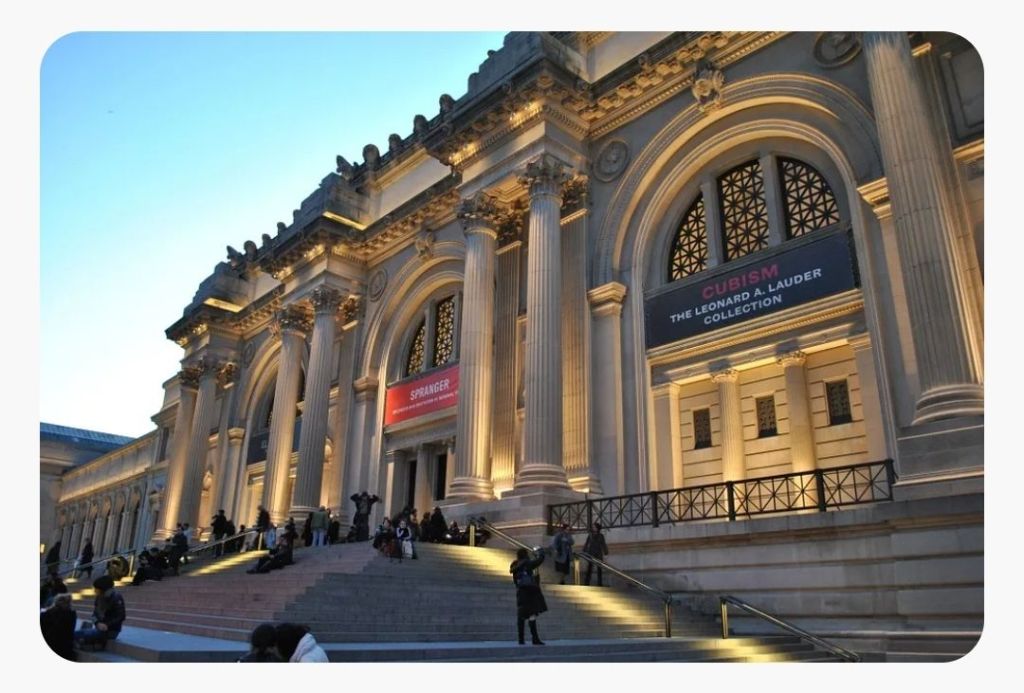
The MET. Museum: 2 million square feet containing 300,000 years of art history

Chief Executive, British Council, Scott McDonald, explained how Great Britain “has mapped the creative economy, so today banks and investors offer support to artistes, performing artistes, and arts related ventures – from festivals to funding movies – knowing what their ballpark earnings can be!

The message was loud and clear to all nations rich in arts history, heritage, and a thriving gig economy…map your creative economy!

A session with a rather bombastic title SUPERWOMEN & SUPERPOWERS: REFRAMING FICTION, featured the voices of  Huma Qureshi and Bee Rowlatt, chaired by Anish Gawande.
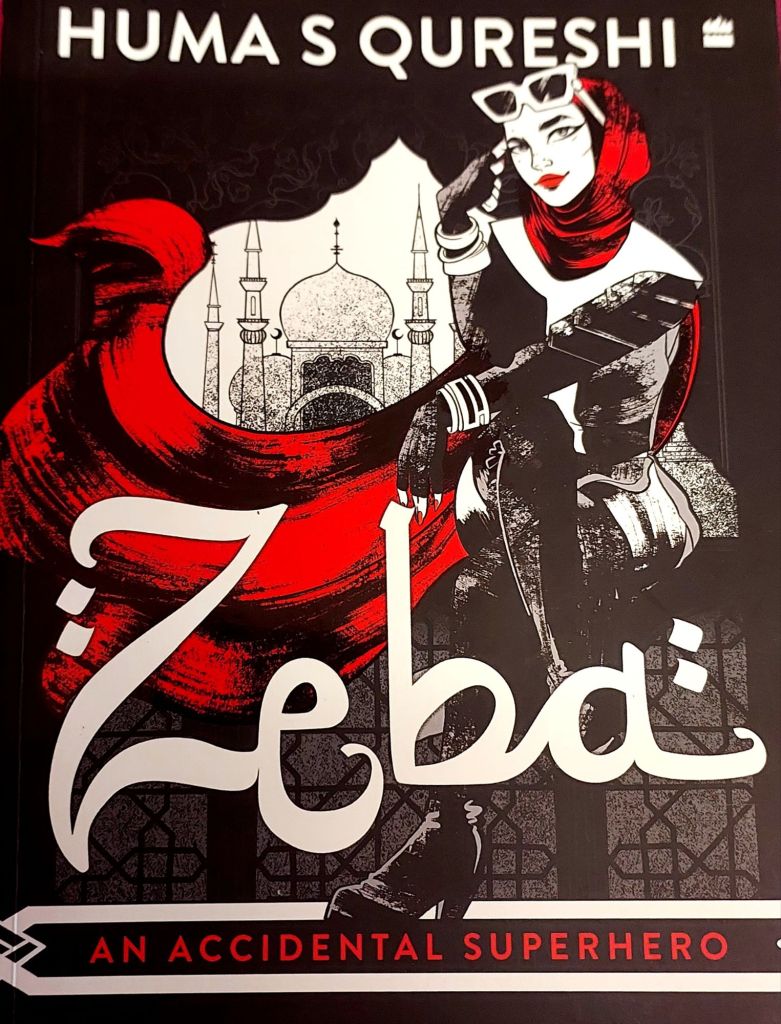
Huma Qureshi’s latest book

I immediately bought Huma Qureshi’s book, intrigued by the fairytale storytelling style, and the backcover assuring me that one has met many such ‘heroines’!

Her protagonist is described as “Spoilt, rich and interested in nothing except lazing on the terrace of her plush New York apartment and inhaling deep drags of her favourite weed…”

While  Rowlatt spoke about One Woman Crime Wave,  Qureshi shared insights into Zeba: An Accidental Superhero. Both authors discussed themes of liberation, class, and social inequality, with Rowlatt highlighting the absence of these themes in British literature. Here is a video excerpt:

INDIAN GENIUS: THE METEORIC RISE OF INDIANS IN AMERICA

Author Meenakshi Ahamed opens the session on her book

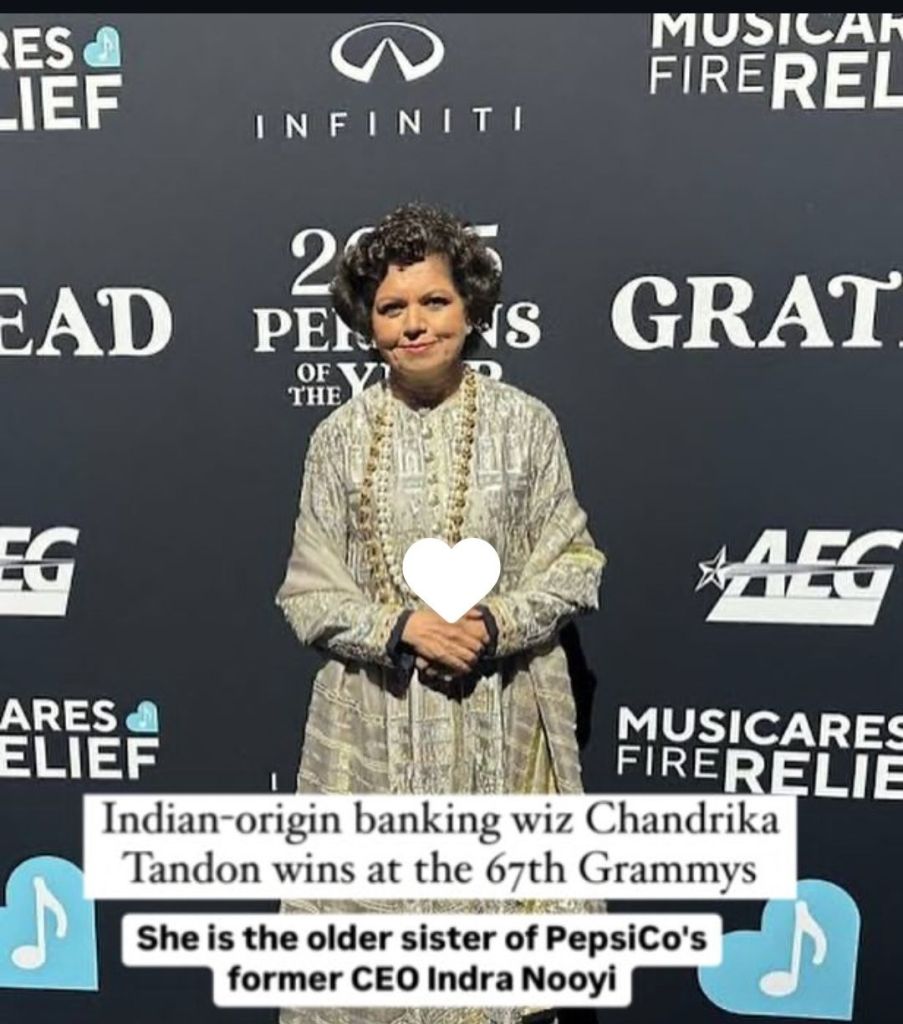
A long overdue book, (given all the viral videos praising Indian American super- achievers), author Meenakshi Ahamed had us enthralled from the word go, opening her discussion with the morning’s BREAKING NEWS, that former PepsiCo CEO’s older sister Chandrika Tandon, had picked up a Gramny award for her unique fusion music. Meenakshi felt that Chandrika had a far more interesting journey as despite phenomenal success as a banking professional, she quit while ahead and started her own consultancy, which also did exceedingly well.   With all that dosh..what next? She went back to revisiting her passion for Carnatic music, attempting fusion blends, making albums, going viral, and finally getting a Grammy!

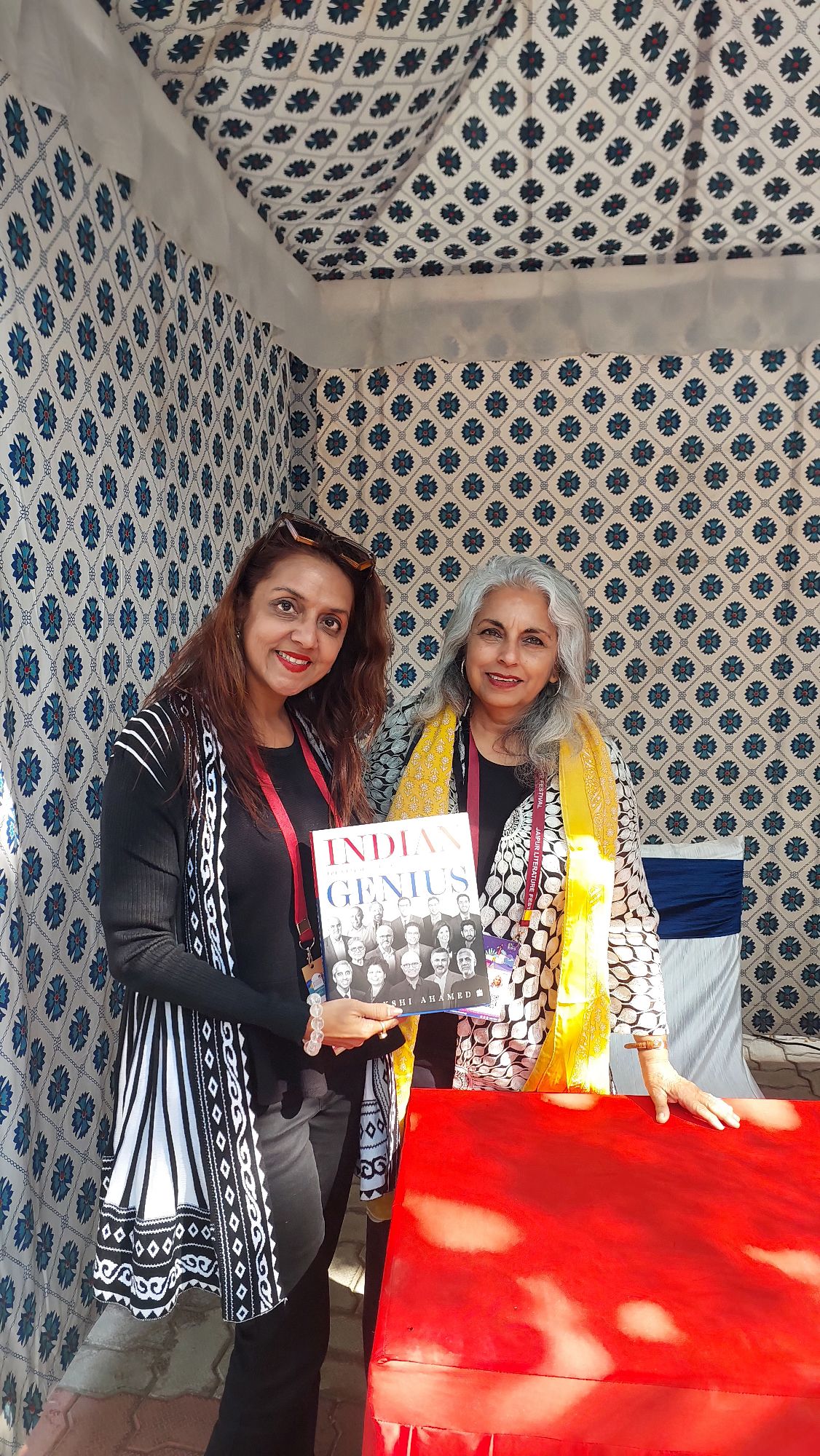
In this session, like many others, Meenakshi expressed a little skepticism about the veracity of Dr Deepak Chopra’s phenomenal scale of influence. It was only as she got talking to real people (not just the Beverly Hills glitterati) about how he had supported them in tough times, and how he was an excellent endocrinologist with his patients…AND she discovered his body of work spanned 90 books…that she went on to include him in ber opus!

At the author signing, I shared my experience interviewing Dr Chopra when at ELLE magazine. I also read out the introduction I had presented in the article, which she almost clapped her hands for:) I told her Dr Chopra was in India addressing live questions from young seekers on a chat online. Post session, he told me, “I get far more intelligent questions in India than America!”

The opening of Meenakshi Ahamed’s session

UNDER THE WEATHER: A CLIMATE AND DISEASE DILEMMA

This session, featured the voices of Pranay Lal, Jay Lemery,  James Bradley, the highly articulate and passionate Varshica Kant, all in conversation with Swati Chopra.

Given we had an English summer going on in the midst of a Jaipur winter, this was  a topic close to my heart. It  presented some truly surprising new ways of looking at the climate crisis.

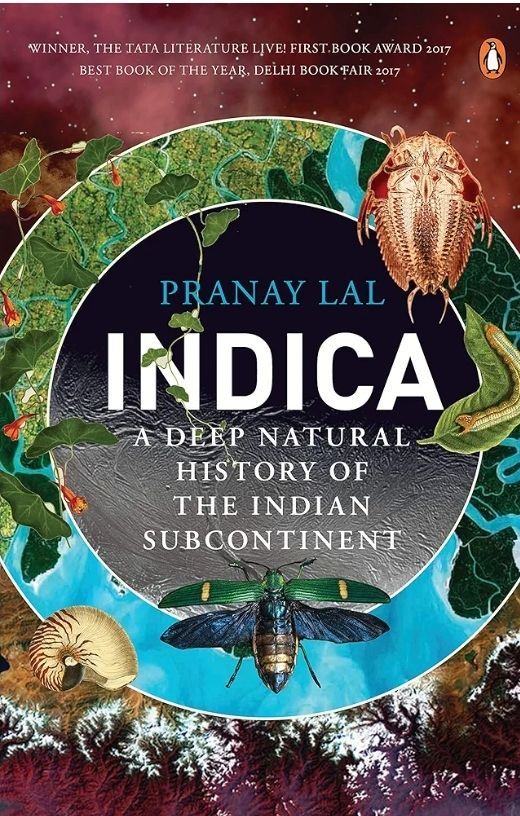
Pranay Lal, a passionate environmentalist, and author of  Indica: A Deep Natural History of the subcontinent, shattered the idea that planting more trees can help balance our carbon footprint. “The ocean and our rivers and lakes have a far greater capacity to do that,” he shared, elaborating on how that works. But what caught my attention, was the marriage of myth and science, when he touched upon the self-purifying properties of the dancing Ganga river.
“The unique property of the Ganga River that allows it to somewhat absorb pollution is its high concentration of bacteriophages, which are viruses that naturally kill bacteria, giving the river a certain level of self-purifying ability compared to other rivers,” we read on a google search.

However, in a follow up chat with Pranay Lal, we are told, “When the monsoon hits the young silicate rocks around the Himalayas, there is a degree of silicate erosion. This silicate in the water, binds with CO2, or carbon dioxide, in the water and air.

“Rain, as it falls, in the first few days and even later, is as acidic as a carbonated beverage.  Eventually, with silicate compounds, all the C02 in the water is captured. Silicates are also a deterrent for bacteria. Hence, Ganga water never spoils.”

Yes this may have spiritual significance for our people, but there is also a geological explanation.  However, research also says  “This property is not strong enough to counteract the significant pollution levels the Ganga faces due to human activities along its banks. “

One can imagine how, for centuries, Kings and even foreign emissaries travelled only with Ganga Jal as it was fresh and drinkable even months after being stored. Remember those epic silver water vessels in City Palace, Jaipur?

Many other observations were shared by other panelists. Sharing a video excerpt above.

IMTIAZ ALI A JAMSHEDPUR BOY TURNED BOLLYWOOD POTBOILER SPINNER

The man we rarely see live in front of audiences, had a surprisingly electrifying rapport with the movie-loving audience on the last day of the festival.

Imtiaz Ali spoke in rich metaphors about artistes seeking to not just have box office validation, but a validation from the artiste they see in the mirror.

So a stubborn fan asked him, at which point in his career did Imtiaz feel validated by his own reflection? Imtiaz narrated a moment when, in a small town, a beard shaving stall in a tiny bylane, had pasted his poster on a wall!

The fan felt, “But sir, is that not external validation?”

“Well in the creative arts, the external and the internal are not exclusive!” he smiled.

Imtiaz Ali had the air of a slightly rakish, handsome, untameable and poetic film-maker…associated with iconic popular cinematic capers like Jab We Met, Rockstar, Love Aaj Kal, Tamasha, When Harry Met Sejal  (could we be more subtle in making a Hollywood knock off😂) and we heard lots of women asking about Chamkila, and my favourite, Highway. 

Alia Bhatt’s brilliant performance in Highway (a film I literally watched in my Times of India office before interviewing Alia for a cover story), as a girl who has been sexually abused in her extended family, who is then kidnapped and starts feeling a sense of affection for her kidnapper (Stockholm syndrome). Well, here was the film-maker, the vision behind some of thd most powerful performances. Rockstar was virtually a cult film with the young, and even I had recently seen what mastery Ranbir Kapoor shows as pain enters his life and brings depth to his musical journey.

Films may be now competing for eyeballs with OTT platforms and the comfort of entertainment at your fingertips, on your lazy looking couch….but in Jaipur, the fans emitted an oceanic energy …as if these narratives were part of their inner, not outer worlds!

Do see the video embedded here…

Many were the insights gleaned from the many sessions, and I found myself risking excess luggage (and setting myself up for late nights and early mornings) devouring the books I bought.

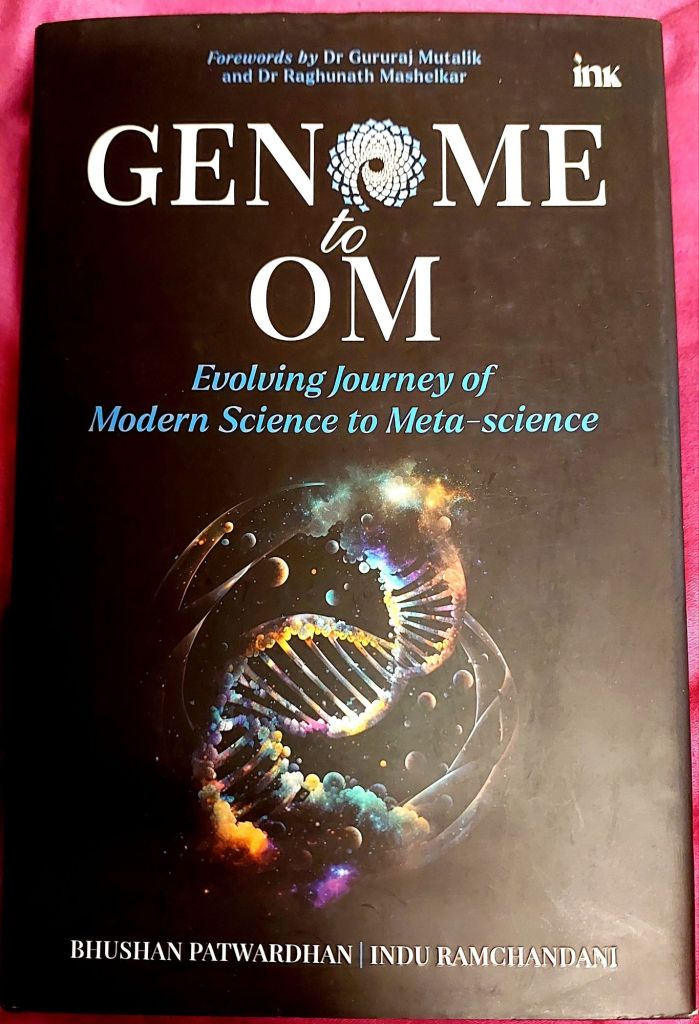
Some books caught my eye even without any session to correlate them with…like this one below, with the brilliant and timely title, Genome to Om…tracing how empirical, sense driven paradigms of scientific data were moving into more metaphysical zones..
If one had to sum up this year’s JLF experience, I would say there were some memorable moments. But the evenings felt bereft of our usual menagerie of Mumbai-Delhi lit fest perennials. Except, of course my friend Nawaz Singhania was there to read from her book, Pause, Rewind!

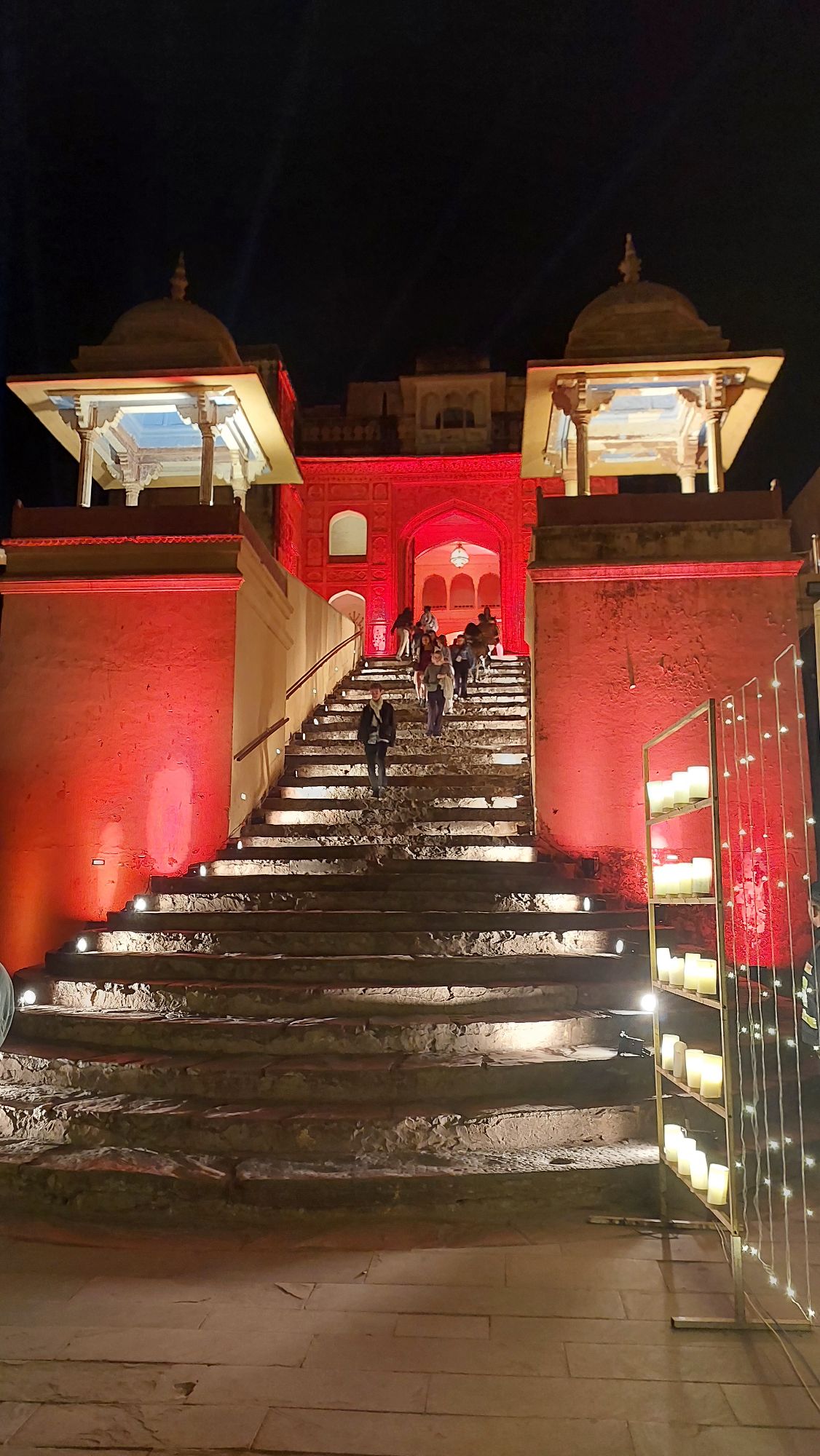
Still, the ambiences at Amer for the Heritage Night (the musical acts have been more varied and longer in tenure in previous years) were soulful and stunning as always. Couldn’t quite understand the larger crowds and the long lines for dinner, though.

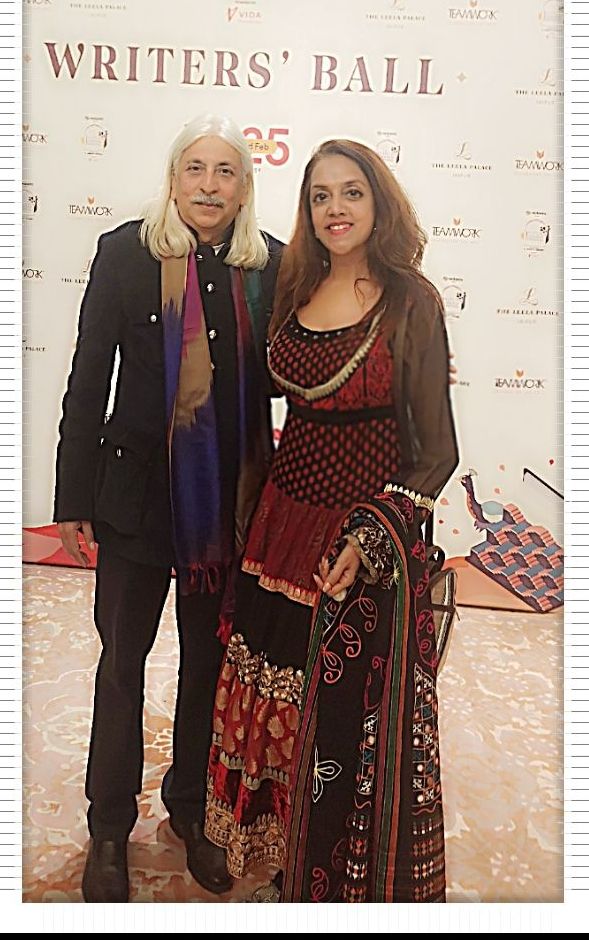
The Writer’s Ball, fortunately, was a very elegant experience, with an  exquisite assembly of authors, fabulous live counters offering Asian, Italian and Indian flavours, and a ballroom featuring a live ensemble singing with Rajasthani Sufi spirits in their hearts.

One would love to see many more sessions go up on YouTube…for as always, one would have liked to be at many more!

Intellectual greed is good!

Hoping to gain those knowledge calories over the next few months…

@jaipurliteraturefestival

@sanjoyroychoudhury

#clarksamer

#amerfort

#bookstergram

#authors

#jaipurbookmark

@
THE ROYAL HIT AND MISS!

THE GLOSSED OVER, CLICHE-RIDDEN PORTRAYAL OF ROYAL INDIA CAME WITH THE OPTICS THAT GEN Z AND Y UNDERSTOOD – EVEN ENJOYED! BUT FOR A HELLO! MAGAZINE WRITER, WHO HAS COVERED EVERY MAJOR ROYAL FAMILY SAGA, BE IT UDAIPUR, JAIPUR, KISHANGARH, EVEN TALKING TO PRINCESS ESRA, FORMER WIFE TO THE LAST NIZAM…THE SHOW WAS HEAVILY FLAWED FOR A TOTAL LACK OF HISTORICAL AND EVEN CULTURAL GRAVITAS. SANGEETA WADDHWANI CALLS OUT THE MISSING LINKS!

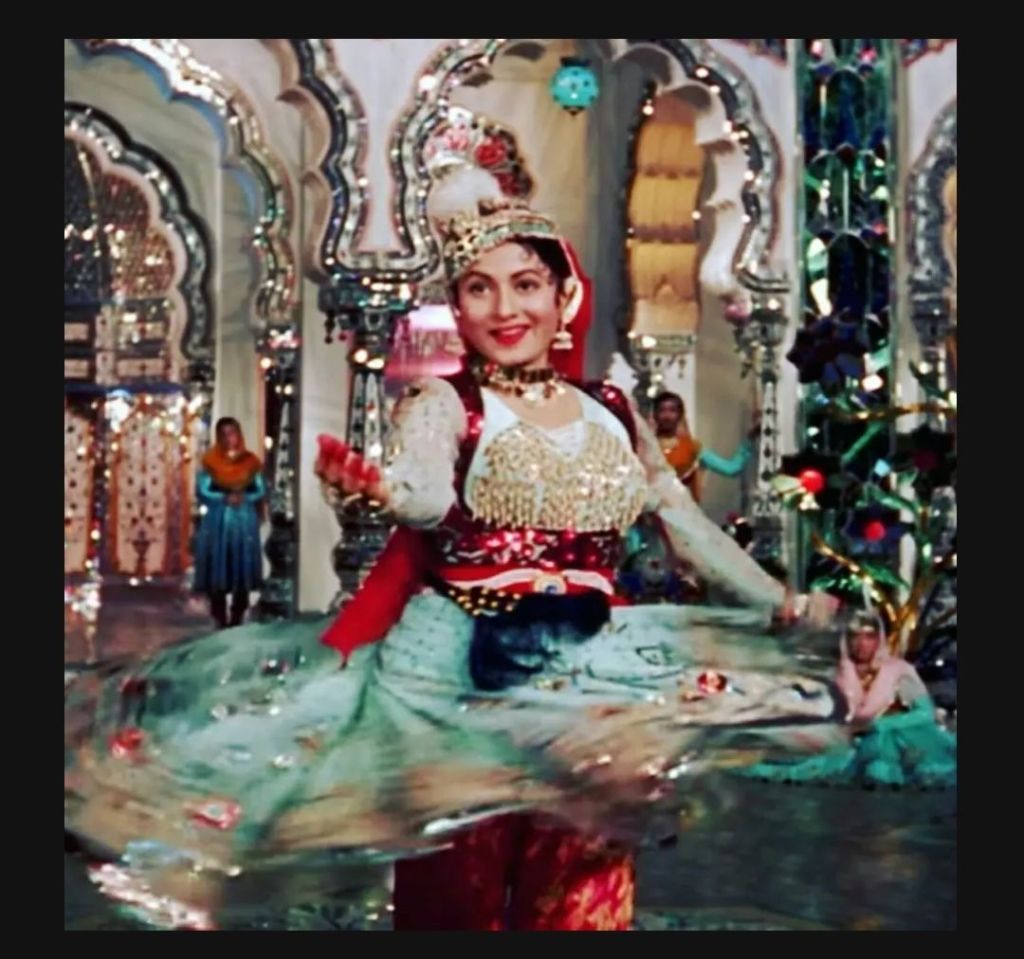
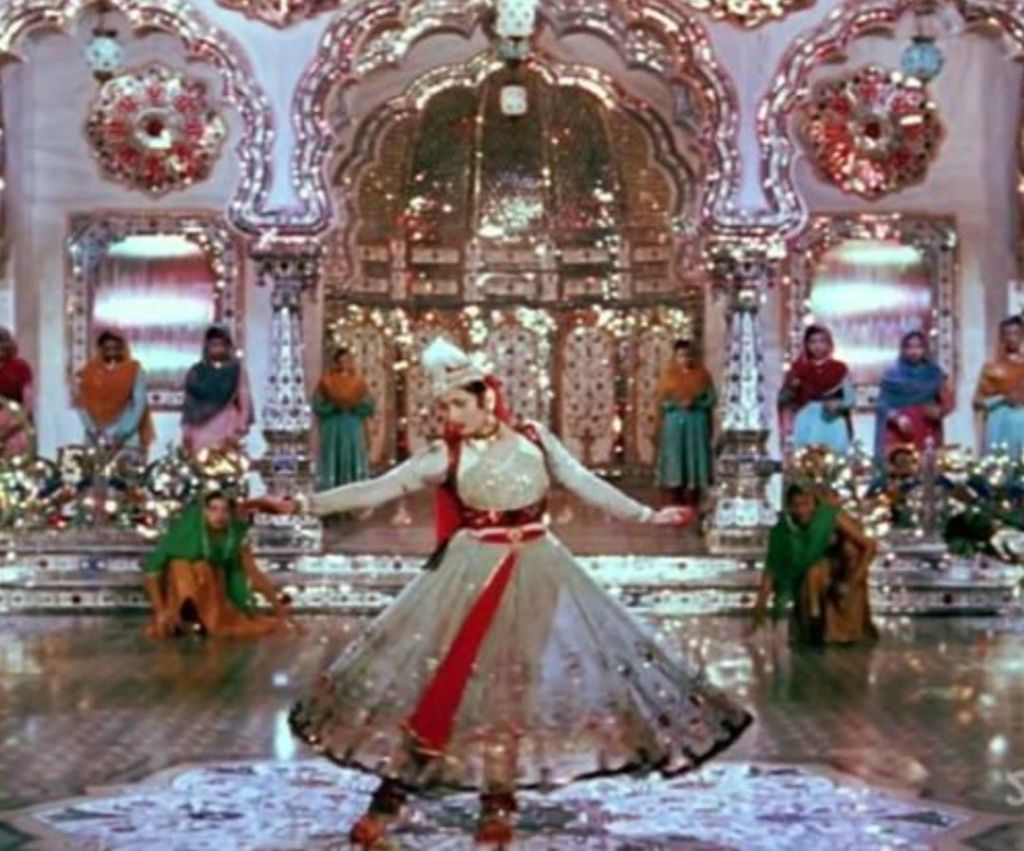
Stills showing the grand old Universe of Mughal India, in Mughal-e-Azam
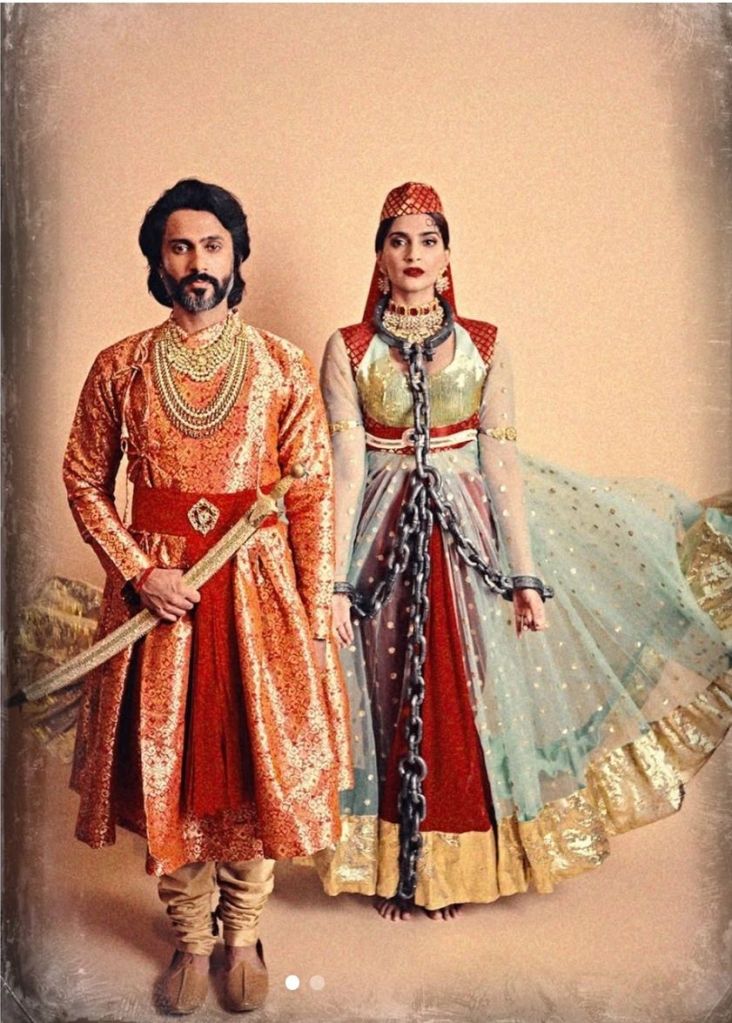
Anand Ahuja and Sonam Kapoor dress as Prince Salim and Anarkali for last year”s Halloween party
The legendary courtesan, Anarkali’s beauty merges with royal grandeur
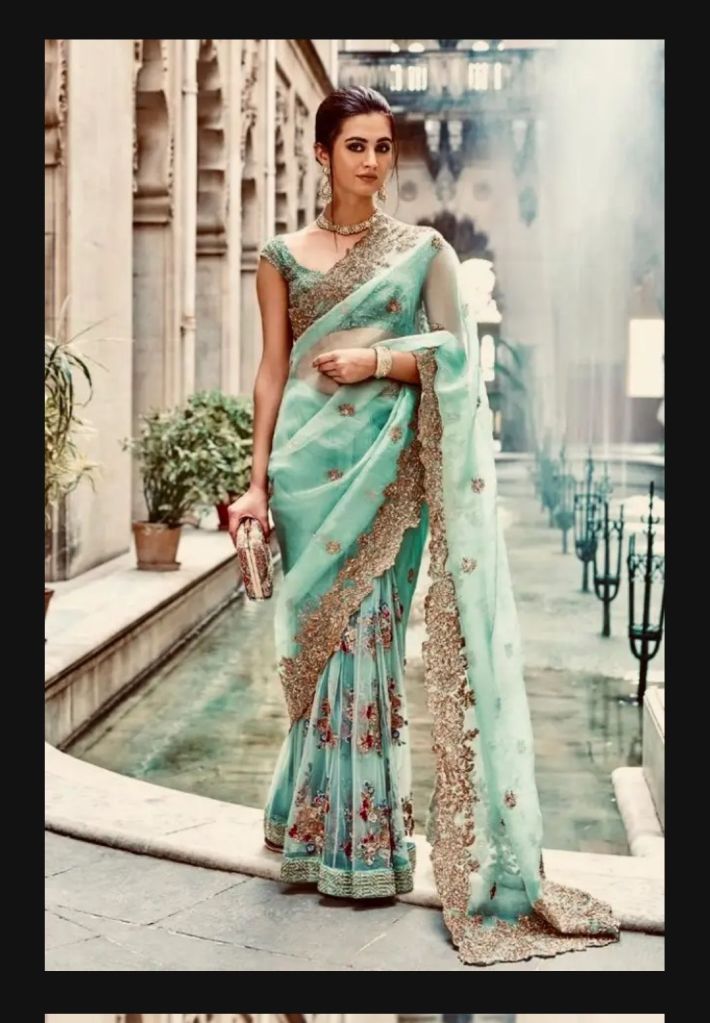
Shyamlal and Bhumika took inspiration from royal India for this Summer 2019 collection, Memoirs of a Maharani. The campaign was shot at the Luxmi Vilas Palace, Baroda

Royal India and the world of cinema (and now, webseries), have been strange bedfellows.

One of our most legendary films,  Mughal-e-Azam, was hinged on the forbidden love between Anarkali, a courtesan, and Prince Salim, son to Emperor Akbar.

If the film took 16 years to make, it was because an artistic sensibility was seeking to draw the viewer into an alternative Universe, where love braved all odds, chivalrous officials would rather be burned alive while concealed in urns..than bring shame to their mistresses, whose husbands were turning on them with suspicion.

Mughal-e-Azam the film, created in 1960, harked back to an era where romance was married to human existence across multiple dimensions. Love played out in mirror- filled sheesh mahals,  around fragrant lotus-filled fountains, or in covert meetings behind backlit latticed marble screens, or in  richly manicured  Mughal gardens under the stars. The stories were about the courting of emotions, not just lithe limbs and erotic ecscapades, to be forgotten.

Even films like Padmavat, Bhajirao Mastani, were visceral essays in portraying the grandeur of the war-decorated alpha Peshwas and the Rajputs.

Then fast forward to movies trying to visit the lives of royal families today. I laughed out loud…possibly the loudest in the PVR cinema hall, while watching Bhool Bhulaiyan 3.

Ruh Baba, has to visit a royal family desperate to chase away ghosts that won’t let them sell their decrepit palace!

 The exaggerated depiction of a poverty-ridden former aristocratic family, was extreme to say the very least! The ghost buster character of Kartik Aryan is offered a dry roti with little else to slay his hunger, as a guest of the royal family looking to hire him to exorcise the underbelly of their massive, decrepit palace.

This, so they can sell it to the highest bidder in the hospitality space. They call it the Shahi Lunch, with one roti usually shared between 5 or 6 family members.  The cow in the shed bately has any milk, being a starved bovine!

Modern cinema does have some memorable and less ‘Les Miserable’ visitations to our faded aristocratic mahals. One of my favourites while growing up in Taiwan, was the Rajesh Khanna-Hema Malini starrer, Mehbooba.

She and he were in love in a royal darbar where he was a court singer, and she was a courtesan. They could not be together in that life as he was partnered and she was untouchable in her position. But the depiction of them performing in that lifetime, especially the song Gori Teri Pehjaniyan…was so rich, we reproduced her dance performance for our Indian Independence Day celebrations!

Then of course we had Vidya Balan possessed by another heartbroken courtesan’s ghost in Bhool Bhoolaiyan 1. Again the depiction of rich classical dance by her to the resonant, timeless  Aami Je Tomaar, evoked the cultural opulence of a time where love and art were married, figuratively, and the settings were grand and imbued with danger and valour.

Vidya Balan reappeared in Bhoolbhulaiyan 3, with Madhuri Dixit Nene

THE ROYALS: A FACTIONAL LOOK!

Now let’s go to The Royals. The Netflix show which, to be fair, did show lavish production values, with many scenes shot at the Jaipur City Palace.

You have a Prince, Aviraaj Singh, highly reluctant to become Maharaja, owing to his late father’s repeatedly articulated angst about the weight of tradition that comes with a title. Aviraaj comes with a colourful romantic past, (commensurate with his status) despite a very broke and wavering present. The show has the Prince, played by Ishaan Khatter, assume a highly contrived  Hamlet-like metre, with some Samson bare- bodied tadka thrown in.

Now while Ishaan himself has gone on record saying that he was asked to be bare torsoed, often gratuitously, the fact of the matter is, that kind of ‘thirst-trapping’ is not what royal Princes would ever be caught dead doing! Certainly not while representing and leading a royal polo match, in front of sporting legends and live media coverage!

This kind of pandering to the female gaze was never seen in our patriarchal royal societies, unless a gay or dandy maharaja (and there were a few of those) sought a ‘thirst-trapper’.

What else was causing allergies to those from the real royal universe? The cliches! A family where the Daadi (Zeenie baby) wears the standard pearls and silks, chiffons, as does the Rajmata, whose arsenal of jewels could start a bidding war….however,  in hushed exchanges, we are shown that their leading concern is how to pay the electricity bill! Forget that! The entire family is portrayed in lavish Abu Sandeep attire, which my experience interviewing our royal ladies, contradicts.

In states where temperatures rose to 50 degrees celsius, our Maharanis preferred light, airy chanderi weaves. A typical contemporary ‘couture’ saree or lehenga with 10 kilos worth of embellishments was often a compulsory evil for a bride…and often featured real gold threadwork. The princess bride was happy to wear it but for that one epic wedding night, and then (gratefully) pass it down to a daughter or daughter-in-law.

I came across these truths while meeting the royal women of Baroda (who are supporting chanderi weaves for today’s women)…and the bridal gold lehenga story, from Maharani Shailaja Katoch, wife to Maharaja Aishwarya Raj Katoch of the Kangra-Lambragaon royal family, in Himachal Pradesh, near Dharamsala. In fact, there was a display space and placard dedicated to this real gold bridal lehenga in the Sansar Chand Museum, but the family was afraid it would be stolen! So it remained empty.

By and large, royal families were busy. Uneasy were the heads that wore the Crown. They were heavily invested in defending territories, building forts and palaces, guarding their subject’s interests and leading civic and educational, cultural and spiritual initiatives. The larger and more influential the family, the greater the sense of responsibility embedded in their very DNA.

Even if a foreigner married into a royal Indian family, she was committed to preserving the architectural, spiritual, gastronomic, cultural and artistic mien of that dynasty.

Just look at the American Padma Shri decorated Shalini Devi Holkar who was once married to Richard Holkar of Maheshwar, a town ship in Indore, Madhya Pradesh.

She had a dream where her late mother-in-law Ahilya Devi Holkar asked her to support the native female weavers of Maheshwar. Sally did not dismiss that other-worldly wish, rolled up her sleeves and made it her life’s mission. 

In 1978, she, with Richard, co-founded  the REHWA  Society and took the Maheshwari weave,  global. That society not only encouraged the craft of handloom Maheshwari weaves, but also helped to foster other women weaver’s collectives, offering them a sustainable livelihood.  She went on to found WomenWeave, and The Handloom School, which provides training in the weaving process, to keep it alive.

The noble Ahilya Devi Holkar

Take my experience with Princess Esra Jah, ex wife to the Last Nizam.  Although they were divorced, he trusted his gracious Turkish former partner to be Executor of the Nizam’s estate…and she had dutifully restored the Chowmahallah Palace.

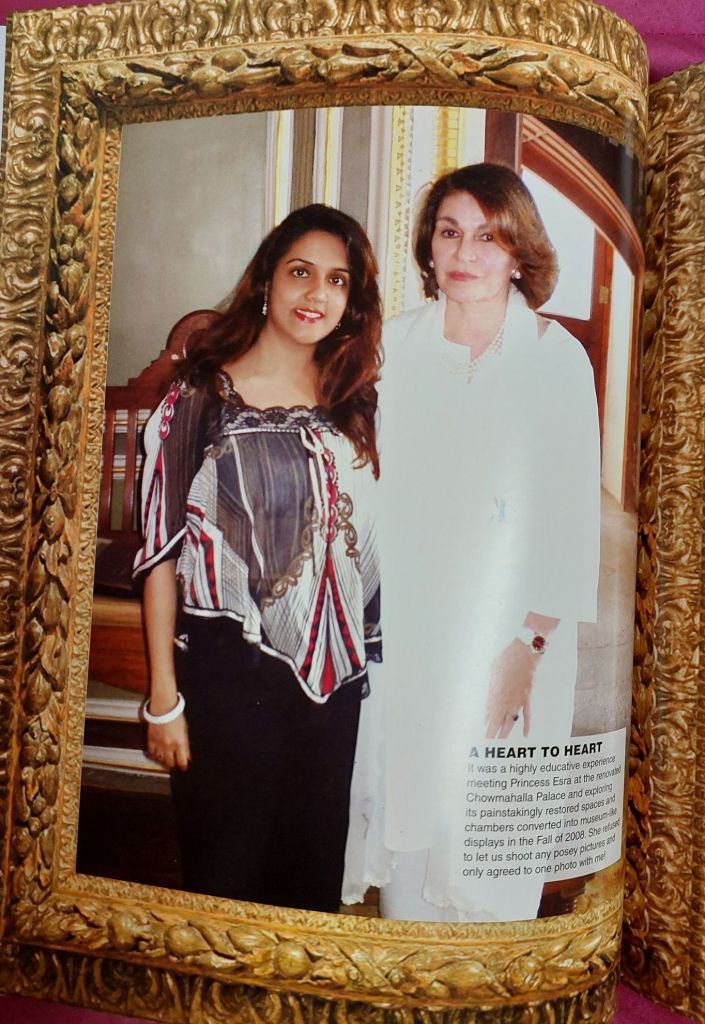
She did not agree to a new photoshoot around the restored property, agreeing only to one photo with the author of the exclusive…that was lucky me! (We did not feature the two of us..I was cropped out and we made a mug of the Princess from the photo). But at least we had one recent image to work with! The rest, she gave us gorgeous vintage photos.

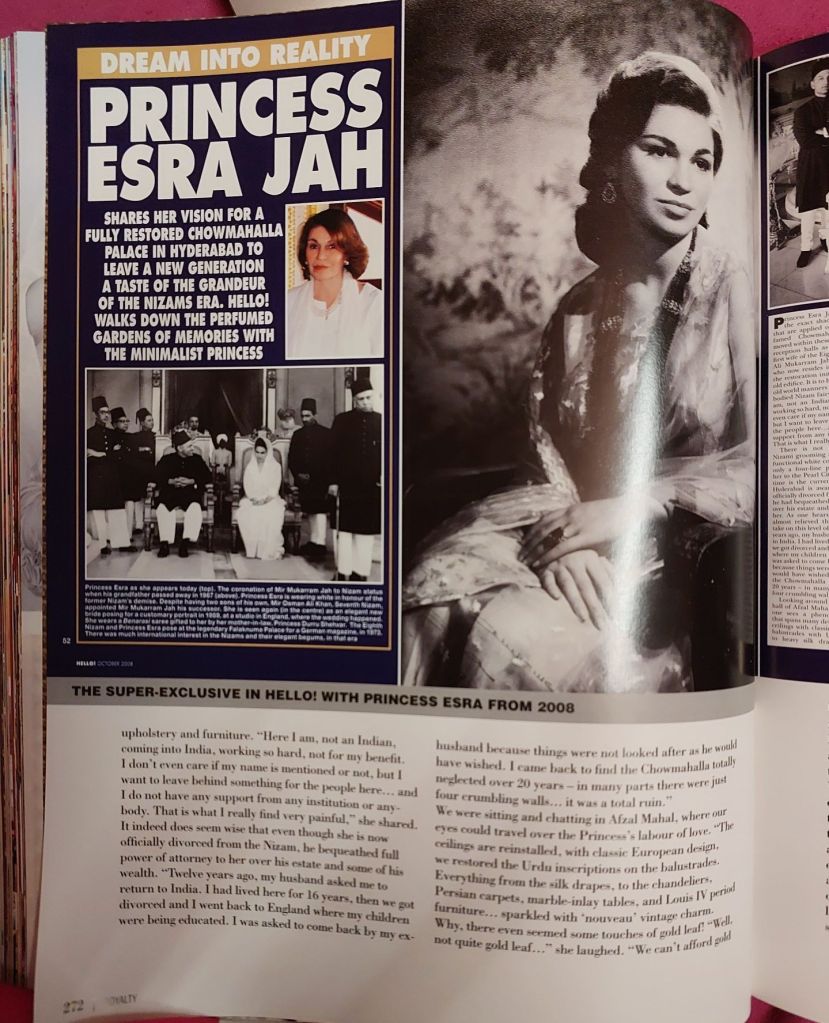
An excerpt from our super-exclusive conversation with Princess Esra, former and first wife to Mir Barkat Mukarram Jah, Eight Nizam of Hyderabad

Princess Esra had devoted a considerable amount of time, family wealth and energy restoring chambers, chandeliers, furniture and recreating tableux of the lifestyles of the Nizams, (statues of royal ladies sitting with paan daans, etc) …evoking the magic of an era that had in 1937 hailed the Nizam of Hyderabad as the Richest Man on the Earth.

We had walked around the restored Chowmahallah, learning about how the Nizams created city landmarks..roads, hospitals, universities and schools, transport infrastructure, and so on. Hyderabad then had an economy the size of Belgium.

We read in Sam Dalyrmple’s book, Shattered Lands, that “After the fall of the Ottoman caliphate, the Nizam of Hyderabad was arguably the world’s foremost Muslim ruler a nd his capital the most prominent city of Muslim learning outside the Arab world.”

In 1937, as we know, TIME magazine named the Nizam of Hyderabad the Richest Man in the World and the 5th richest in all of history!

However, when I quizzed Princess Esra about what were her most powerful impressions of being a Nizam’s first wife, she surprisingly shared a “beggar” story!

Fundamentally on a hunting expedition, when they took a tea break, they felt compassionate for a destitute beggar. Offering him some tea and samosas, they were surprised to see him feeding a stray dog, a little later! His explanation? “Huzur, kutta bheek nahi maang sakta, mein maang sakta hoo.” To the Princess, that is an India she used to be moved by…the deep humanity in even the destitute population.

OUR ROYALS WERE DEVELOPERS, PROTECTORS OF THEIR PEOPLE

Yes, a few fiefdoms did have obscenely wealthy nawabs and maharajas hosting eccentric festivities…like weddings for their dogs! Take the Nawab of Junagadh who spent two crores on his dog, Roshanara’s wedding!  Do read Javier Moro’s book Passion India, for more such stories! There were even Maharajas sending their concubines to Europe to get the top surgeons to reconstruct the shape of their breasts, to look like different fruits:)

The Nawab of Junagadh

But some, even the dandies, contributed to the arts in ways that have created entire schools of dance! Like the late Sitara Devi had shared with me, “Nawab Wajad Ali Khan Shah, was so committed to creating his school of Kathak, (katha means story)…he didn’t care that the British were appropriating his wealth or destroying his sovereignty!”  Being a Nawab, a non Hindu, did not stop him from dedicating years and years to creating ballets modelled on Radha and Krishna!

Nawab Wajad Ali Khan Shah

In the final analysis, what The Royals did achieve, is a shallow but sexy portrayal of a torso-perfect playboy Prince who was looking to be as normal and unfettered by his blue crew…the extended family — racy Zeenie baby as grandma included.

In reality too, our Princes and Princesses have studied at prestigious American and British institutions, but rarely worried about rentals for their housing there!

Also, for the life of me, I can’t imagine why the Rajmata had to wait for her gay husband to pass away before she took her ma-in-law’s advice to have a life..i.e,  give love affairs a shot. Does that even make an iota of sense? Also, a lady of that generation, in royal India, is more likely to worry about the family’s reputation than her daughter-in-law’s wasting libido!

The gay Maharaja who passes on, does leave our Hamletian Aviraj some interesting thoughts to ponder about individuality vs tradition..but the point is redundant with the Maharani anyways having her paramours, Aviraj turning down marriage with a rich bitch princess…whoa..why is tradition even a point of concern? 😂

One did also find it funny that the royal balls planned by Sophia (Bhoomi Padnekar’s) team, have poor rsvps because the royals don’t want to mingle with commoners. Excuse me, we have a politician princess who was wedded to a commoner, (Jaipur)  and in an age where forget the arranged marriage, but marriage itself is so challenged…this was a complete misrepresentation!

One did like the way Aviraj and Sophia’s love is founded on her strengths…to bring the real world and the glorious royals into better alignment. One liked the way Aviraj tore up the contract on the Royal B & B when corporate politics were taking his real girlfriend apart. Bhoomi did manage a very convincing performance as a gritty, passionate pro whose popularity was throwing her bosses into beast mode.

There were pluses to the show…but waiting to see more webseries portraying royal families with a more believable, breathing storyline and less caricaturing of a class of families whose legacies still inspire awe.

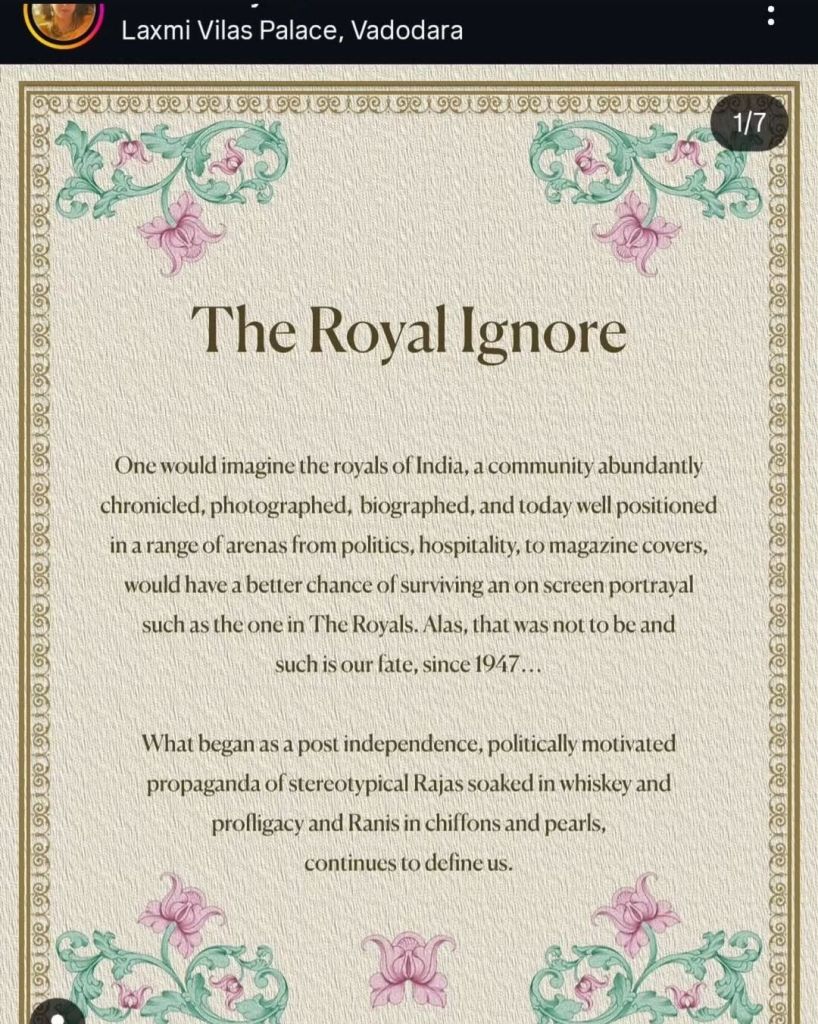
Maharani Radhikaraje of Baroda, was brave enough to call out the cliches!

BALI: A HINDU ISLAND IN AN ISLAMIC COUNTRY

TRULY THE MOST REGRESSIVE SIGN OF OUR TIMES IS WHEN RANDOM, ARMED MEN GUN FOR CIVILIAN LIVES, CLAIMNG ‘A DIFFERENCE OF FAITH’ AS THEIR PREMISE.. SANGEETA WADDHWANI DRAWS A COMPARISON BETWEEN THE LIVING PRESENCE OF HINDUISM ON THE ISLAND OF BALI… IN AN ISLAMIC NATION LIKE JAKARTA. THIS IS JUST A MICROCOSM OF WHAT SHOULD BE EVERYWHERE….


Yeh khitaye Kashmir hai, jannat ki ik tasweer, insaniyat ki dastaan, har zarre mein tehreer” – Rifat Sarfarosh

This is Kashmir, an image of heaven, every particle of this land tells the story of humanity


THEY FOOLED NOBODY

For every shot fired at an unarmed, peaceful Indian civilian, a hundred other hearts are broken, shedding unseen blood. Hearts in the Kashmir valley, which had started beating again with hope… were bleeding, with hope draining out of the fragile economic and inter-religious ecosystem.

DHARMIC WAR VS TERRORISM

Every major religion offers a code of conduct even in war. Women and children were never targeted. Unarmed people were always spared. You never fired arrows when your opponent was in prayer. These were the ways of dharmic warriors. Terrorism is never, and can never, be about a religious war. It is hell on earth. A manmade poison imposed on times where peace is the greatest of luxuries. Inner peace, outer peace, which was the unsaid ‘wealth’ people came looking for in Kashmir.


PRE-ATTACK KASHMIR

The light-eyed, simple Kashmiris, had started to breathe again. Every inhalation and exhalation, a happy sigh. Eyes that had shed tears of angst, for decades, were now smiling amidst wise wrinkles. These eyes had combed over the tulip-carpeted flower fields, the snow-capped, witnessing mountains. Just off the ridge of shikaaras, eyes were gazing at the tadpoles leaping around with unexplained glee. The sheer joy of rebirth was in every cellular creature. The wise old eyes remembered – these were the legendary lakes of Kashmir, where lotuses abounded, and honeymooners dared to dream of everlasting love.

Tourists, too, were flocking in, shopping on the Dal Lake from an idyllic shikara, for kawah tea, silver jewels, beautifully embroidered and woven shawls – some featuring the local craft of sozni, which has designs on two sides. They were there to revisit the timeless Paradise described by Amir Kusro, as Heaven On Earth.


But one human invention took it all apart. The gun. In the wrong human hands. Turning brother against brother. While another human invention – Instagram – was immediately dismantling their agenda. Reels were calling them out, saying (paraphrased), ‘we will not let you seed poison, turn human against human, strip Kashmir of her heavenly attributes and reduce the brilliant artisans to penury. Peace, is prosperity. You want to take our peace away in the sacred valley.’

 After all, we are not living in 1947. We are not even living in the 70s, 80s, 90s. The idea of religion has long been replaced with the idea of humanity and spiritual evolution. The worldwide web has made us one family. Everything opposed to justice and humanity, is simply a-religious. Aspiritual.  WWW knows this.

BALI: A HINDU ALLADIN’S CAVE

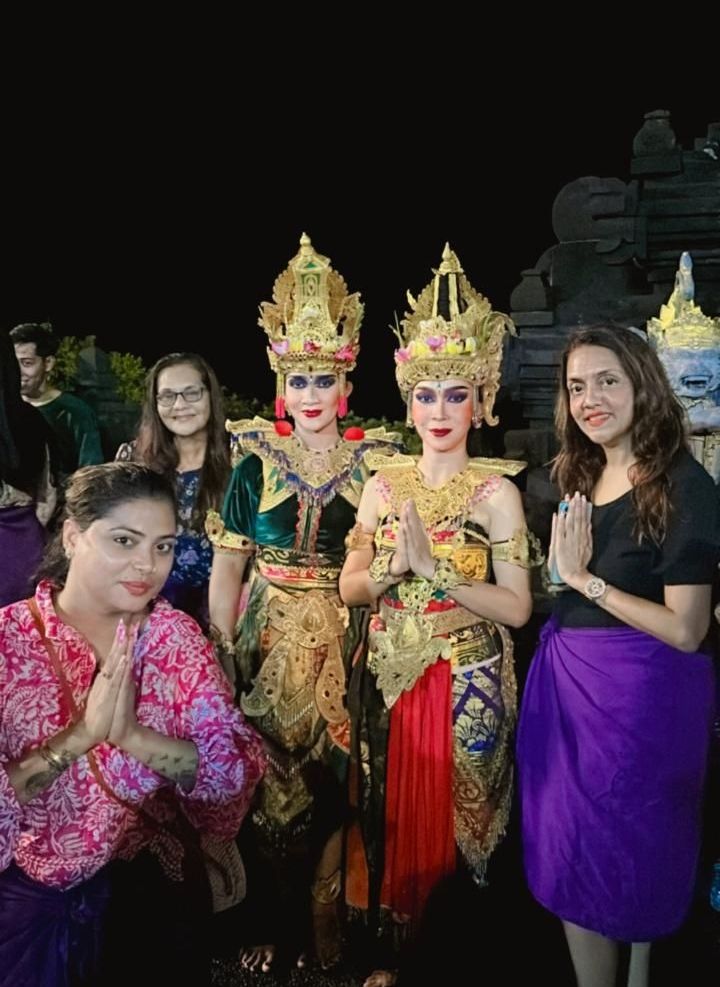
With dancers from the Kecak Ramayan performance at Uluwatu

Just earlier this year, in January, I was in Bali with a lively group of female friends. Almost everywhere we looked, we saw that Hinduism is a palpable, living force. There was no sense of polarization between the largely Islamic nation of Indonesia, and this paradisical Hindu island sitting in it.

Right from our arrival at the Denpasar airport, we felt the vibe. Stunning renditions of spiritual themes greeted our eyes, showcasing Balinese culture. Some notable installations include Mataya GateParadise ScapeWana Rupa Segara Gunung, Palemahan, and The Tree of Life. These pieces symbolize harmony, the life cycle, Balinese philosophy, and the interconnectedness of life, respectively.  We were welcomed in a very Hindu style, by our local tour operator, ‘Pocha’.  Being an all-girls squad, we told Pocha he now had garlanded many wives!:)  

Arriving At the Denpasar Airport
Me and the irrepressible Ruby Singh at Denpasar Airport, garlanded on arrival!

Day one:

WATERSPORTS AT NUSA DUA BEACH

On the same day we did the Parasailing, Banana Boat ride and Jet skiing, we also had lunch at a nearby Udupi resort and then hired a private car to travel to Uluwatu!

Me, Ruby and Shweta get ready to RISE!


THE TIMELESS TALE OF RAM AND ‘SHINTA’

Even before leaving for the trip, we had booked tickets online to see the Balinese theatrical take on the Ramayana, to be staged at the sea-side Uluwatu Temple. We read, “This  Balinese Hindu temple is located on the south-western tip of the Bukit Peninsula in Uluwatu, Badung Regency, Bali, Indonesia. It is the only Balinese sea temple that is also one of the nine directional temples. It is dedicated to Sang Hyang Widhi Wasa in his manifestation as Rudra.” (Research tells me that SHWW denotes “The Divine Order,” and is the Sanskrit equivalent of Achintya, the inconceivable. The Brahman, a force from which all other gods and beings are believed to emanate.)

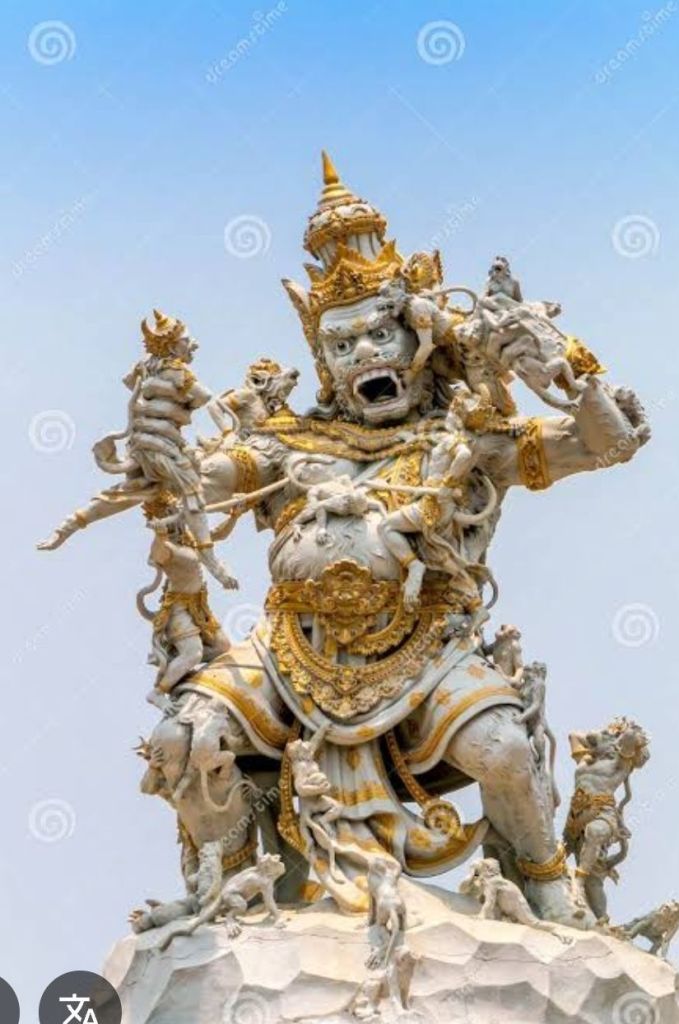
The Lord Hanuman vibe was all around this temple, with mischievous monkeys waiting to grab whatever they could from us –wallets,  shades, phones. A huge warning sign did tell tourists to expect such plundering as we made our way to the temple’s amphitheater, where the Ramayana was to be performed.

My dear friend Shweta Singh fell prey to a rambunctious monkey who not only grabbed her eyeglasses off her face, but sat to pose with them! I was so tempted to take a quick click, but respect for my friend’s panic-striken state made me restrain the urge. Besides, a monkey would have grabbed my phone! Fortunately there were forest guards who threw food packets the monkey’s way, leading the monkey to discard her precious spectacles. Whew!

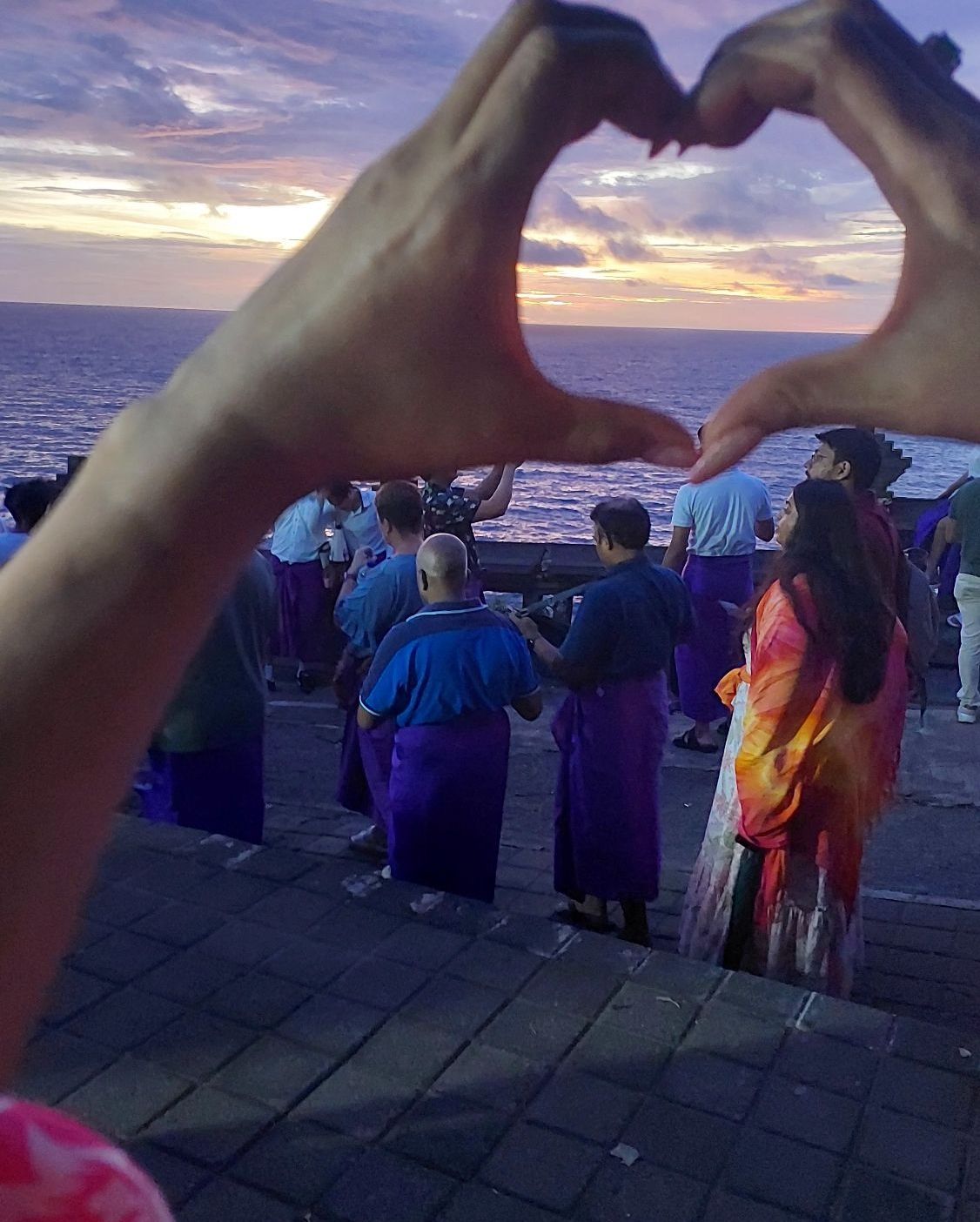
 As we climbed towards the area by the open sea, we were gob-smacked by the vast beauty of the sunset, and I somehow sensed an umblical connect to the Ramayana. I could almost ‘see’ Lord Hanuman as a giant silhouette in the vivid skies of Bali, flying over Uluwatu… almost see him leaping over the Indonesian archipelago – as a rambunctious divine monkey child!

EXPERIENCING AN INDIAN EPIC, BALINESE STYLE

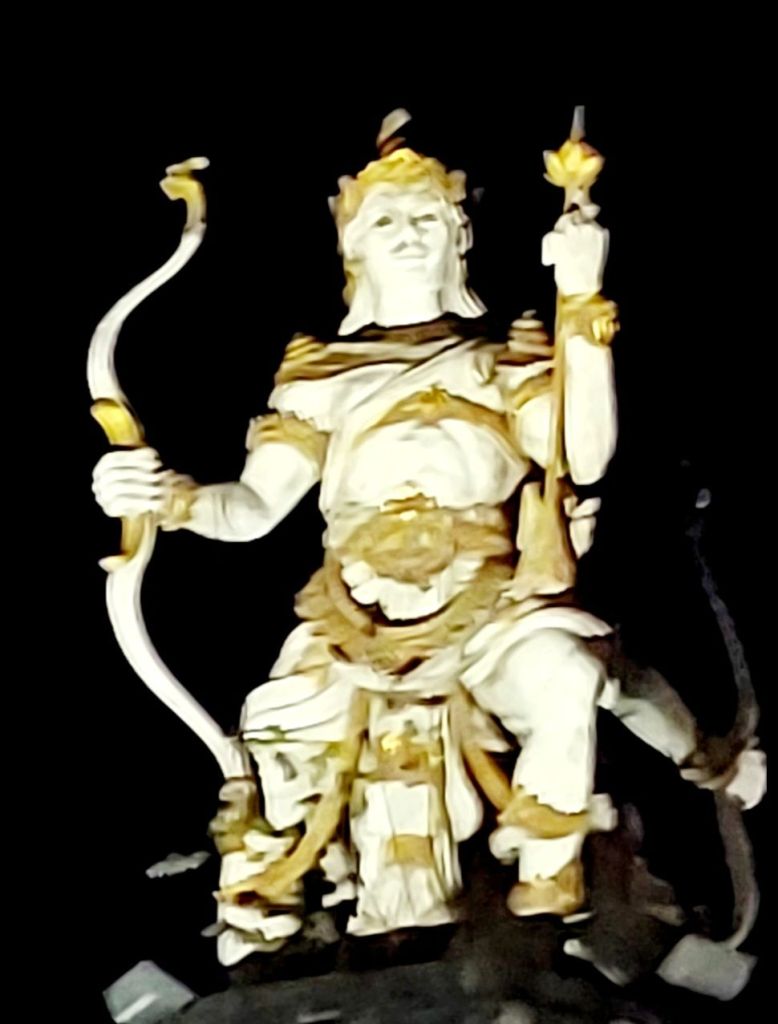
While printed pages are offered to tourists which recount the essence of the Ramayana, we were surprised that the Uluwatu KECAK performance, had no spoken dialogues. The sounds that capture the moods of the story came from 90 bare-chested young men, all chanting ‘chak chak cha cha cha’ throughout the duration of the play, in different speeds and with different levels of energy. Perhaps that’s why it was called The Ramayana – Kecak Dance.

They were like collective backdrop music, going fast, going slow, complementing the action onstage. Ravana’s kidnapping of Sita, therefore, saw this ‘sena’ of chanters picking up speed and urgency. Laughably, the arrival of Hanuman brought a sense of lightheartedness, as he climbed to sit with members of the audience, taking selfies, while keeping his eyes on Shinta in the gardens of Ravana! The capturing of Lord Hanuman by Ravana’s men, and Hanuman’s endless tail burning down Lanka, were wonderfully presented, circles of real fire surrounding the stage. (My friend Shweta felt the ‘chak chak chak’ chanting was not exactly trance-inducing… it was disturbing!:)

YOU AREN’T ALLOWED INSIDE TEMPLES IN BALI… BIZARRE!

The magic of this epic, was brought to life with vivid masks, elaborate headpieces, jewels, costumes. The fact that the sea was just below us, and we were on a majestic mountain top with cliffs, added its own intoxication to the evening.

Of course, we were in purple sarongs out of respect for the deities and the temple arena. Like most temples in Bali, no public is allowed inside, but you are allowed to take pictures around the area.

Another temple we would have loved to go into was the Maa Saraswati temple in a lane off the main Ubud street market. While you could buy tickets to just walk around the temple gardens for several lakh IDR, you would remain clueless about how Maa Saraswati actually looked in this part of Asia. Research shiws a proper day tour which included entry into this temple, cost over six lakh IDR, which is over INR 3,000.


WHERE DID THE HINDU INFLUENCES COME FROM IN BALI ISLAND?

The Kalinga kingdom, (1100 BCE) located in what is now Odisha, India, had significant maritime and cultural connections with Indonesia, particularly with the islands of Java and Bali. These interactions led to the establishment of Indianized kingdoms and the spread of Indian culture in Southeast Asia.

From the 7th century CE, the powerful Srivijaya naval kingdom flourished, bringing Hindu and Buddhist influences with it. The agricultural Buddhist Sailendra and Hindu Mataram dynasties subsequently thrived in inland Java. The last significant non-Muslim kingdom, the Hindu Majapahit kingdom, flourished from the late 13th century, and its influence stretched over much of Indonesia.

The Chola Empire was a major maritime power, (between the 9th and the 13th century), and their naval expeditions extended to Southeast Asia, including parts of modern-day Indonesia. Their main goal was to control trade routes and secure access to valuable resources like spices and textiles. 

And then of course, in William Dalyrmple’s book, The Golden Road, we read that there were seven islands south of India, which were known as the Suvarna Bhoomi lands. Thailand and Indonesia were included in that cluster. It basically came to light for Indian traders, when the Roman trade corridor came to a close, that gold was lying right in our own backyard! So traders from South India made the Suvarnahoomi their new trade corridor… The nomenclature translated to “Land of Gold,” in ancient Indian literature, with islands primarily located in the Indonesian Archipelago, particularly Sumatra and Java. The term also encompassed other islands in Southeast Asia like Borneo, as well as the Malay Peninsula, Myanmar, Cambodia and Sri Lanka.


HINDU DEITY PAINTINGS IN BALI

At the Krishna Mall in Kuta, I fell in love with the richly rendered paintings of Radha Krishna. Different interpretations of the celestial couple on moonlit nights, capturing a love both ethereal and physical, not to forget far beyond the pale of convention.

Outside the Krishna Mall in Kuta with Shweta and Ruby Singh
A painting of Shiv Shakti

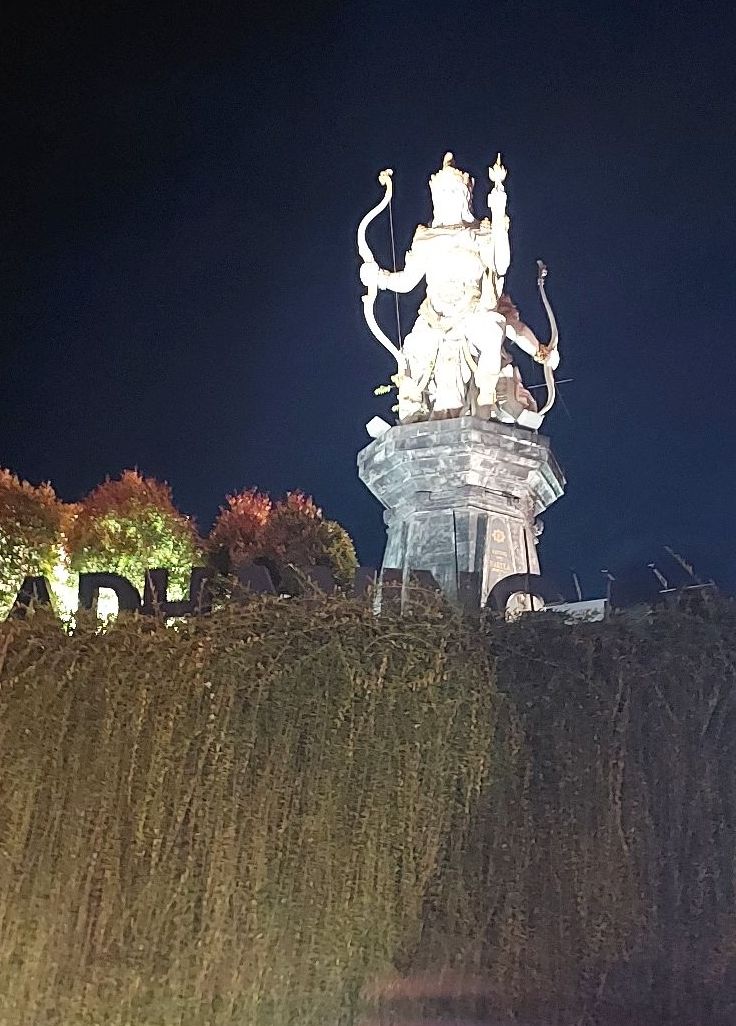
Then, every major junction on the streets featured a very recognizable scene from the Ramayana or the Mahabharat. One tableau showed the building of the Lankan bridge, with the monkey sena carrying boulders on their backs, led by Lord Hanuman. Another showed the lesser known brothers Nakul and Sahadeva of the Mahabharat, sons of Pandu from his wife Madri – standing tall and proud in front of the sena, as if they were principle characters from the epic! And even as we were deciphering which epic tableau was the crowning glory of a traffic intersection, our driver’s radio station was playing a deeply moving Bollytune from the 70s – Tujse Naaraaz Nahin Zindagi, Hairan Hu Main – sung in the local language in a uniquely Balinese style, by a female singer. Her rendition gave us goosebumps. How much we take our own cultural wealth for granted!

It blew my mind why temple experiences were not open to tourists and possibly devout followers of the Hindu deities? Did they fear Muslim attacks? Imagine being charged in India to just walk into the gardens and compounds around a temple, for thousands of rupees, but being categorically told no spiritual connect with the deity was possible?

THE BALI JUNGLE SWINGS

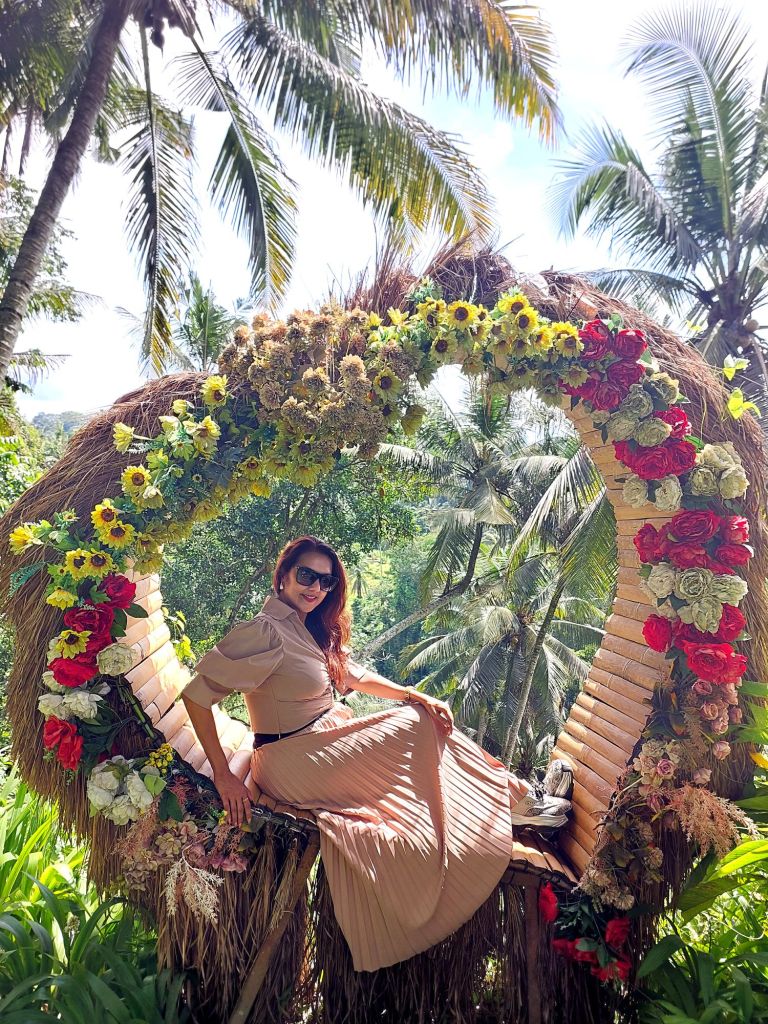
Now this may be a very touristy thing to do – trot over to a viewpoint where a host of very Balinese inspired cane swings, often interlaced with flowers,  take you high over a valley of lush forests. But what a smart way to tap into your country’s rich countryside beauty. There were gowns on hire, which brought a surreal red carpet, cinematic quality to your photos, when still or in motion.

I posed for these in my two-tone ensemble, in my shades and sneakers. The swinging definitely connected me to my inner thrill seeker and inner child – loved being suspended over forests hundreds of feet below, and charging up, skywards! Little wonder honeymooning couples love to honeymoon in Bali. The photo-ops are dazzling. One does feel that just Maharashtra has gorgeous, cloud capped mountains in the monsoon, and setting up viewpoints with cafes and jungle swings could be such a joy for families! Forget that, it would make our gen-next eco-sensible, learning not to litter green zones, teaching them how nice it feels to have non-polluted air in one’s lungs!

There was a couple’s bed swing as well – and we being a girl gang – well, made it all about girls swinging every which way – no pun intended!

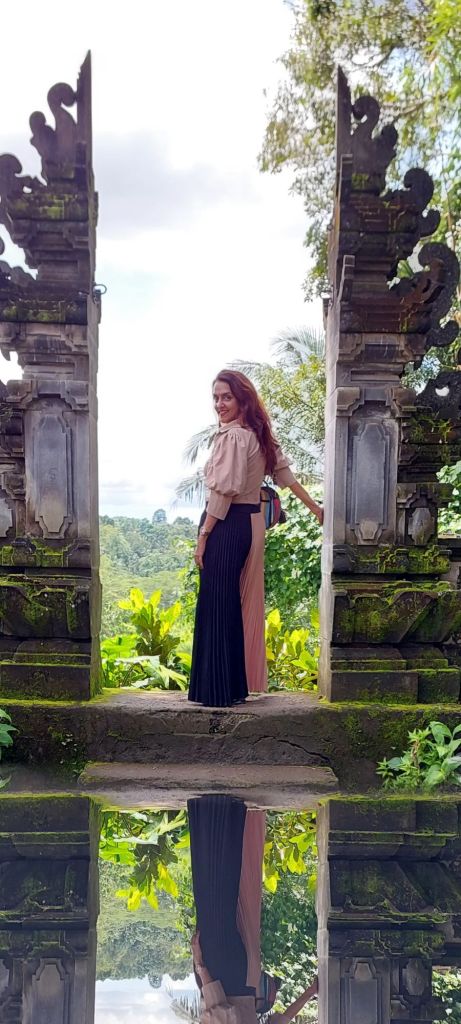
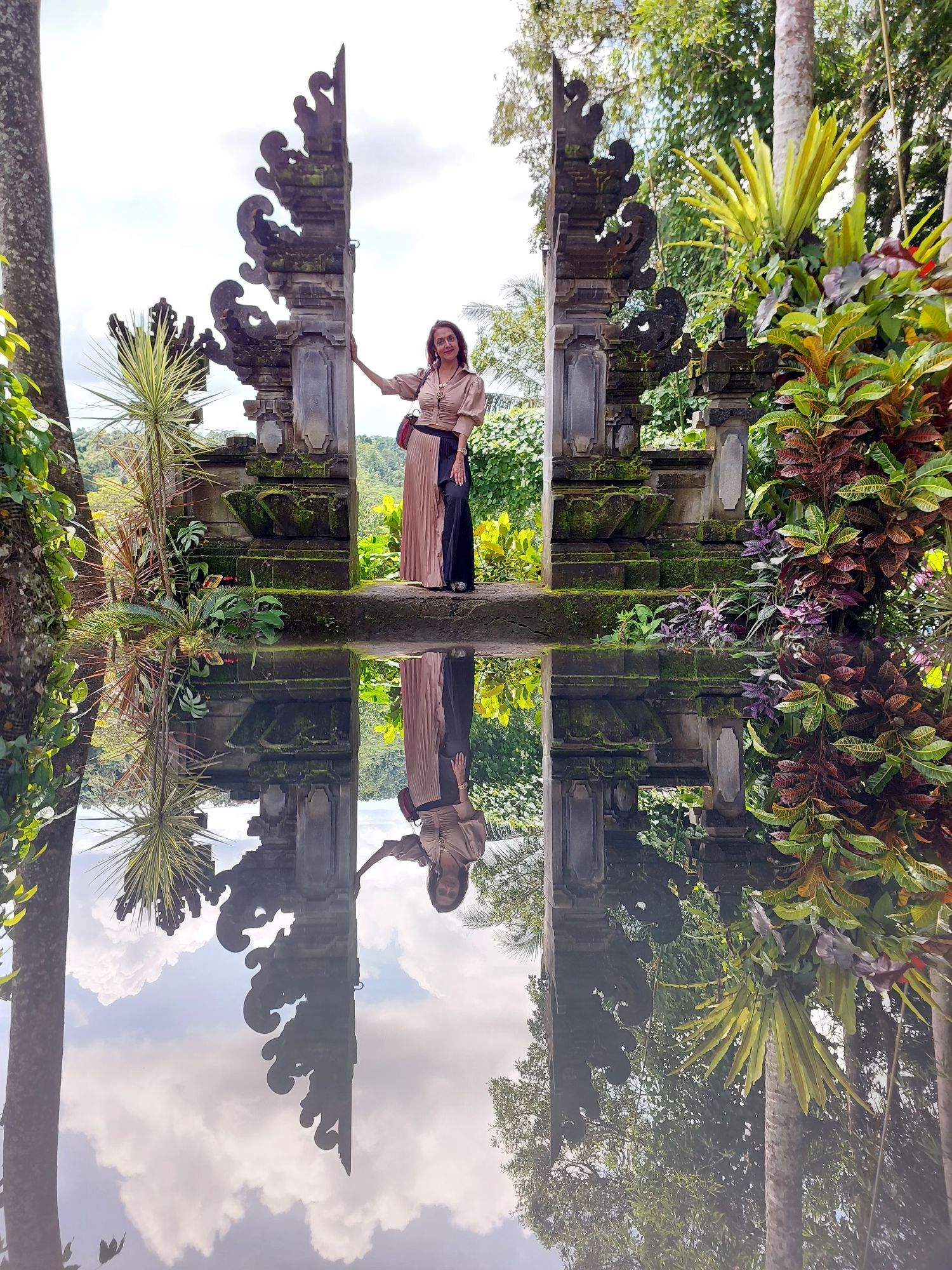
There were also insta-friendly cameo spots, Balinese doorways with water bodies in front – which the expert local photographers duplicated by putting a mirror below the camera. We got wonderful, mystic portraits of ourselves – as if Bali itself was offering portals to other dimensions.

We wound up our experience having an Indonesian/Indian meal – but the highlight was always, the giant coconut water we often chose as dessert! The coconuts in Bali are so massive, we made it a practice to share one between two or three of us.

THE MARA RIVER SAFARI LODGE

“You could spend days on this property and yet not see everything in it!’ was our driver Pocha’s heads up as we exited Kuta and headed towards our next stop, the African safari-inspired Mara River Safari Lodge in Taman.

Already heady with the beauty and abundance of greenery as we drove, we turned into a thick foresty zone and saw the welcome tableau of this property. Needless to say, all the girls screamed – “We want photo here POOOOOCHHHHA!” 

And so Pocha religiously obeyed as we took our group picture, all pointing to the faux animals decorating the entry

As we got into our rooms, (which had those lovely netted beds I loved from childhood stays in Mahableshwar),  we saw wallpapers, art, rustic but clean bathrooms, and open terraces as the signature. From these terrace balconies, we could spot giraffe, zebras, not too far away.

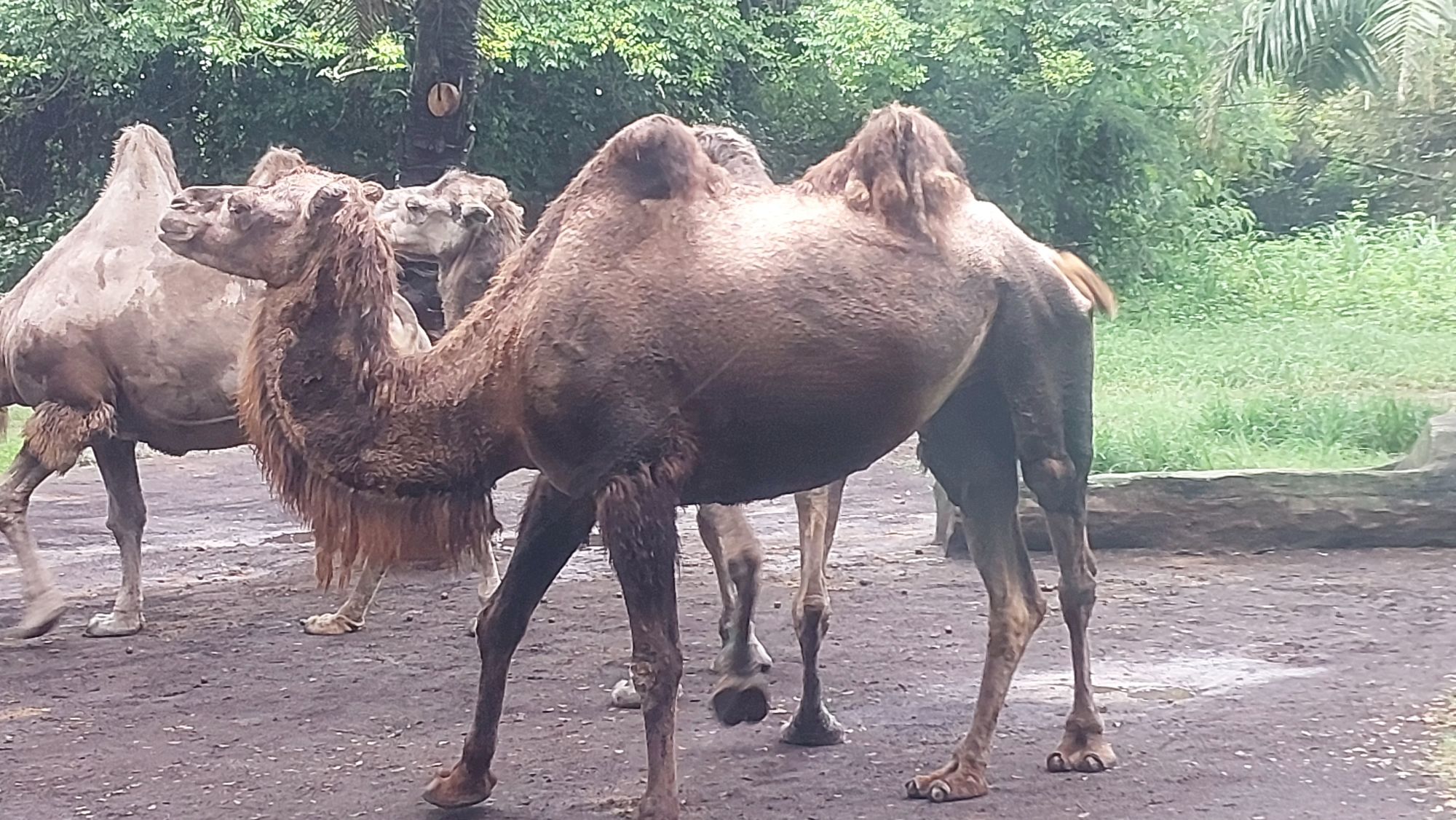
Included in our package was a mini train ride through the area of the resort, landscaped to include an ENTIRE jungle filled with exotic creatures of the wild – from Thailand, India, Indonesia and of course, Africa. We are taking from bison to giraffes, zebras to hippos, elephants to tigers, lions, deer, panthers, bears – even the cuddly koala bears. A cheery Balinese guide offered a running commentary on the animals we were seeing – including telling us about the love stories and offspring of some of the notable big Fives…because clearly, they were bred in captivity.

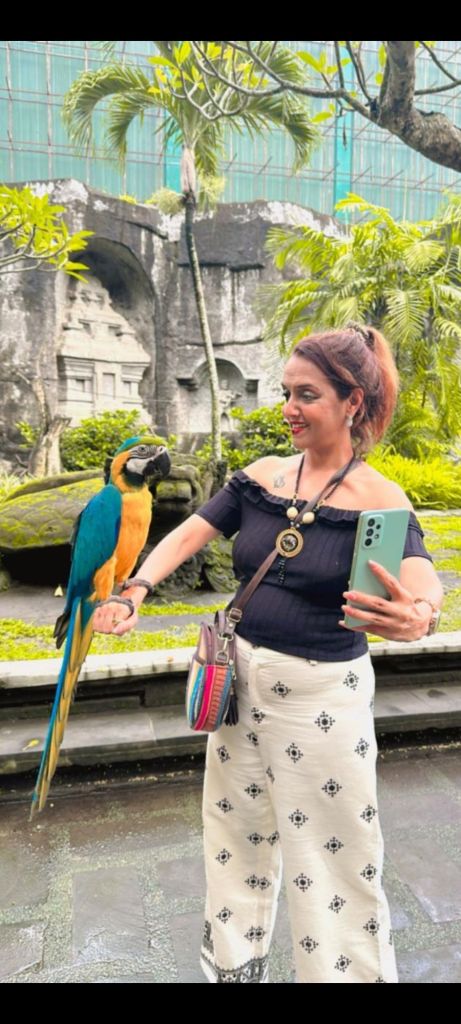
The parrot did not bite, sxratch or try to fly!

Boasting a lovely view of Mount Agung in the distance, even just walking around the property, is a delight. We came across a giant stone sculpture of Lord Ganesha, and a lively exhibition on the state of the Lion as an endangered, cherished species. All around, were opportunities to invite a South African parrot to sit on your arm,  and click photos. There were even opportunities to have a snake around your arm – but that chance, I didn’t take.

From our dining hall, various predatory creatures mulled close enough for us to worry – initially. Then, it started feeling strange to be in a world where lions paraded in front of you as if born to do so, lionesses sat at the bar window, as if they were animated portraits straight out of Harry Potter’s world – roaring with no need to! Our posing Lioness certainly didn’t have to defend herself from gawking children, or hunt for dinner! What kind of ‘training’ did these animals have to go through, to dramatize their own ‘wilderness’ where there was no need for them to be fierce?

Similarly, holding a parrot that didn’t attack or attempt to fly, or a snake that was possibly so tranquilised it could not bite – these mysteries continued to haunt me on the property. I do hope to get answers someday!

Above and beyond this, we were told there were fine dining experiences – under the water – where predatory sharks would swim around you. Having done this at the Atlantis in Dubai, I did not want to put 20 lakh IDR for this experience… and my friends were more keen to go clubbing

So we savoured the fresh air, the random presence of baby Elephants in the elephant bay, and the traditional Balinese architecture that housed many galleries. We didn’t even get time to check out the Kiboko Pool!

At night, post dinner, we were regaled with shamanic dance performances with animal-inspired headdresses and intoxicating Balinese music. Something primal and deep troubled us at night – nobody slept well – and in one of our friend’s cottages, they were freaked out with the sound of nails scraping on their door. More mysteries!

NUSA PENIDA ISLAND

Now this is odd, but many girls from our travel troop backed out of visiting Nusa Penida island. Mostly because of the fear of equatorial temperatures. Yes, even January end!  Our tour agent had chosen to have us up before dawn to get on the first catamaran out to Nusa Penida on a Sunday morning, so we could sight-see around the three beaches (my friend put it like this – “teen bitches teen beaches dekhenge”) before the searing hot sun had us in a Victorian-inspired ‘swoon’.

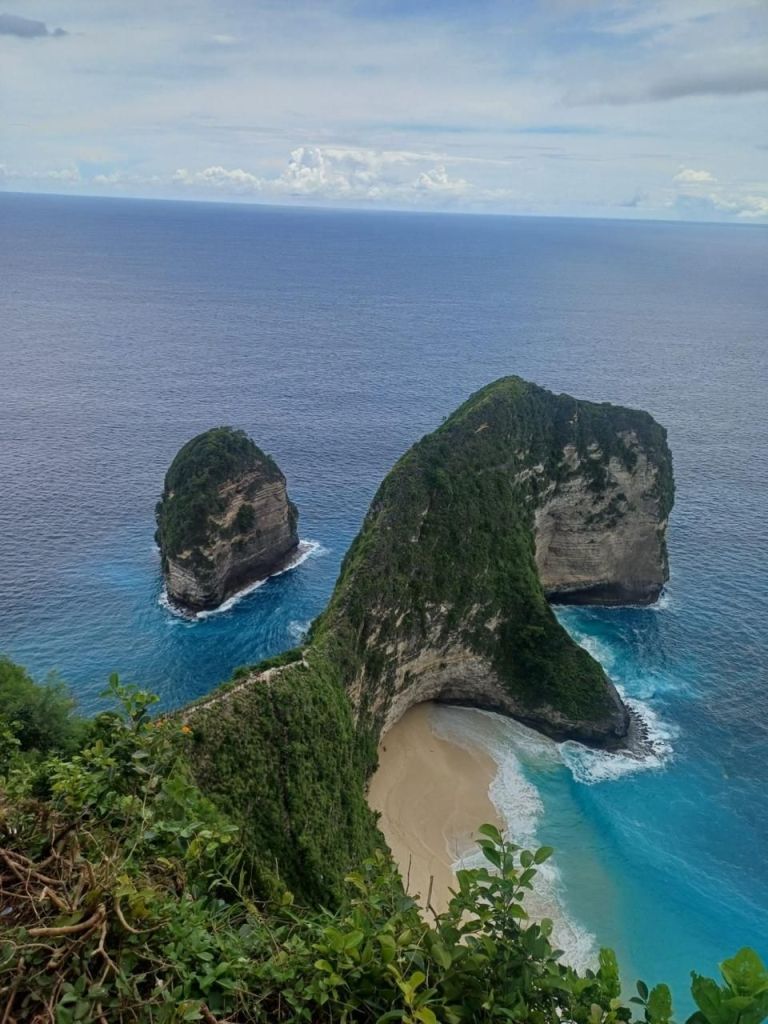
Most of the girls chose to stay in at the resort for a spa day…but me and two brave friends – Ruby Singh and Rita Patel – took the plunge. While we made it to the boat on time, and to the other side by 9.00 am or so, our teenage driver seemed to have either smoked up a bit or a very  late night and showed up at 10.30 odd to take us across to the legendary three beaches – Broken Beach (Pantai Pasih Uug), Angel’s Billabong, and Kelingking Beach in the west then heading east to Diamond Beach.

Since our driver was not the most conversational guy, I am stunned to find out now, that Nusa Penida is steeped in Balinese folklore, with legends of black magic and evil spirits, particularly the story of Ratu Gede Mas Mecaling (also known as Dalem Bungkut). 


Mecaling, once a king of Bali, was exiled to Nusa Penida for his black magic and is believed to still roam the island, bringing misfortune. These stories contribute to the island’s reputation as a place of both fear and spiritual significance. 


Perhaps this is why one sees YouTube videos of boats tossed on wild waves around Nusa, with passengers worried about capsizing – and tourists not being allowed to actually go down to the beaches. We did adore the abundant beauty of the foliage, hills and glades and rice terraces, that spread out like Nature’s balm between the east and west of the island.


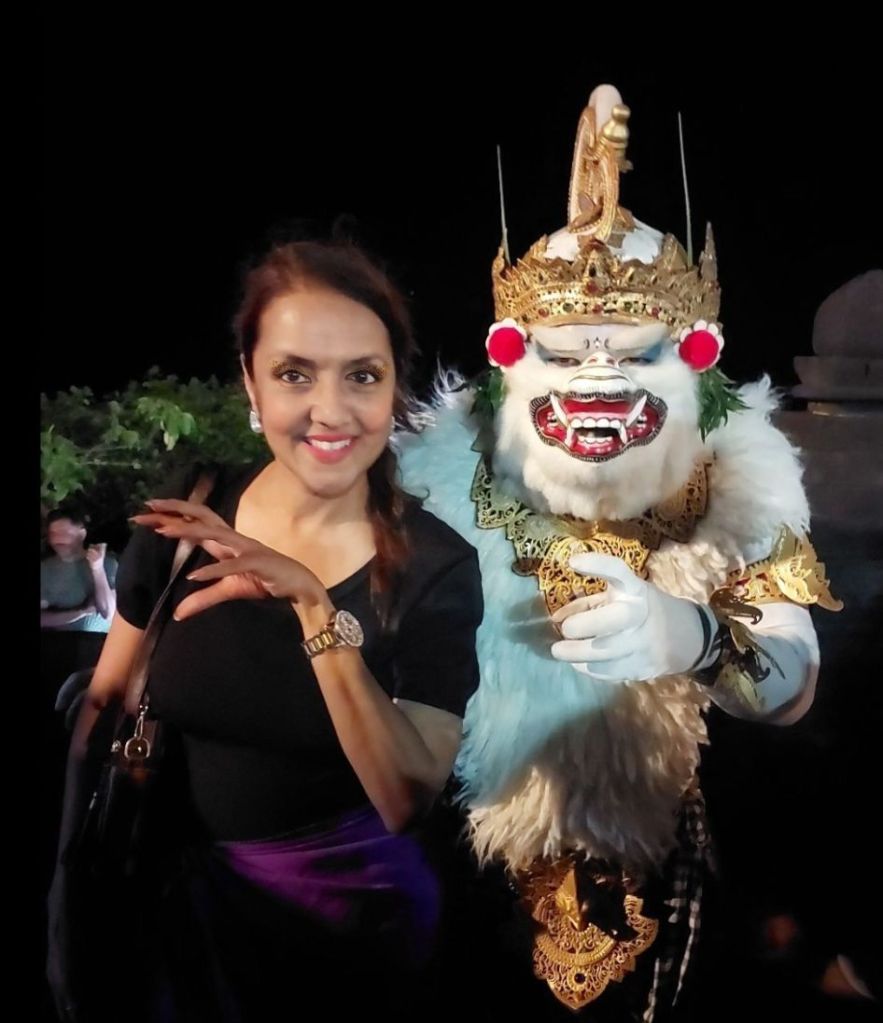
Once we actually got down to Nusa Penida… I was mesmersied by the claw like formation of the land below. It did smack of the idea of a animal-like warrior out with his claws and reminded me of the claw-pose of the Hanuman character I took a picture with post-show, at Uluwatu. Even in Thailand, long, claw-like, upturned nails are a regular feature in the projection of dragon feet, goddess hands and of course, gargoyles. Interesting.


We had our giant coconut water of course, to stay hydrated, and then got back on the catamaran to head to Bali. On the journey, my friend Ruby and I chose to sit at the back deck, open air, as there was no ac in the main part of the catamaran, and the humidity and heat were unbearable.


Ruby Singh’s stunning captures from the open air deck at the back of the catamaran

Sitting out at the back, she captured some dramatic cloud formations that danced over the water, using her iPhone insta filters. Somehow, there was a theatrical quality to the skies… something we don’t see in every destination. I do believe Bali has a mystique personality – and we didn’t even scratch the surface. Just got a sense of it moving through her spaces.

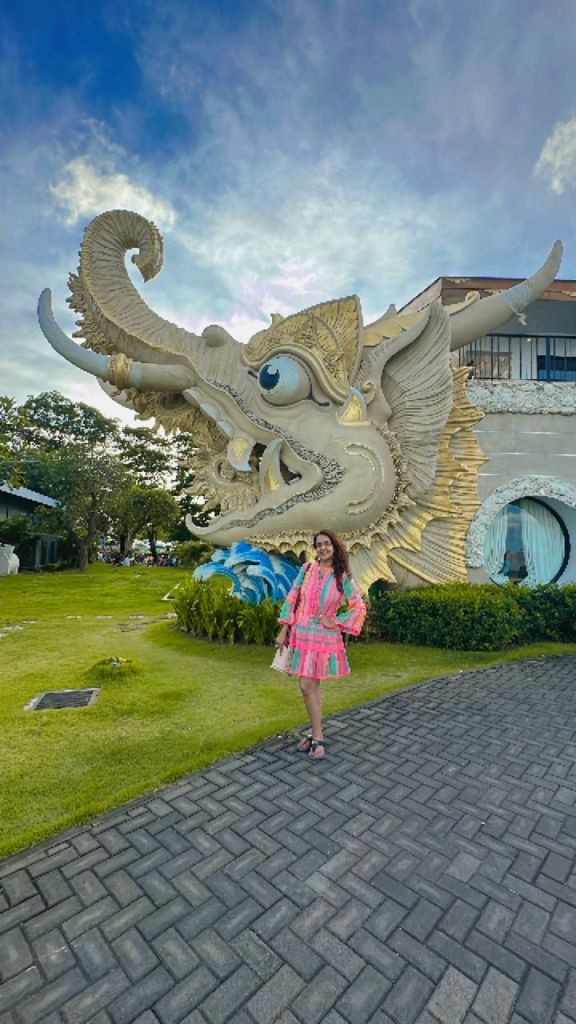
Loved this Dragon Boat installation at the sea port when we returned from Nusa Penida to Ubud, Bali

I still have a Ganesha statue, the colour of rusted copper (a pastel green with gold highlights which I bought for one lakh IDR at the Ubud street market, and I remember the store owner seeking its blessings before passing the Ganesha to me. Religion is a living force here, and again, it’s a Hindu island in an Islamic state. Beautiful.

My Lord Ganesha from Ubud Street Market

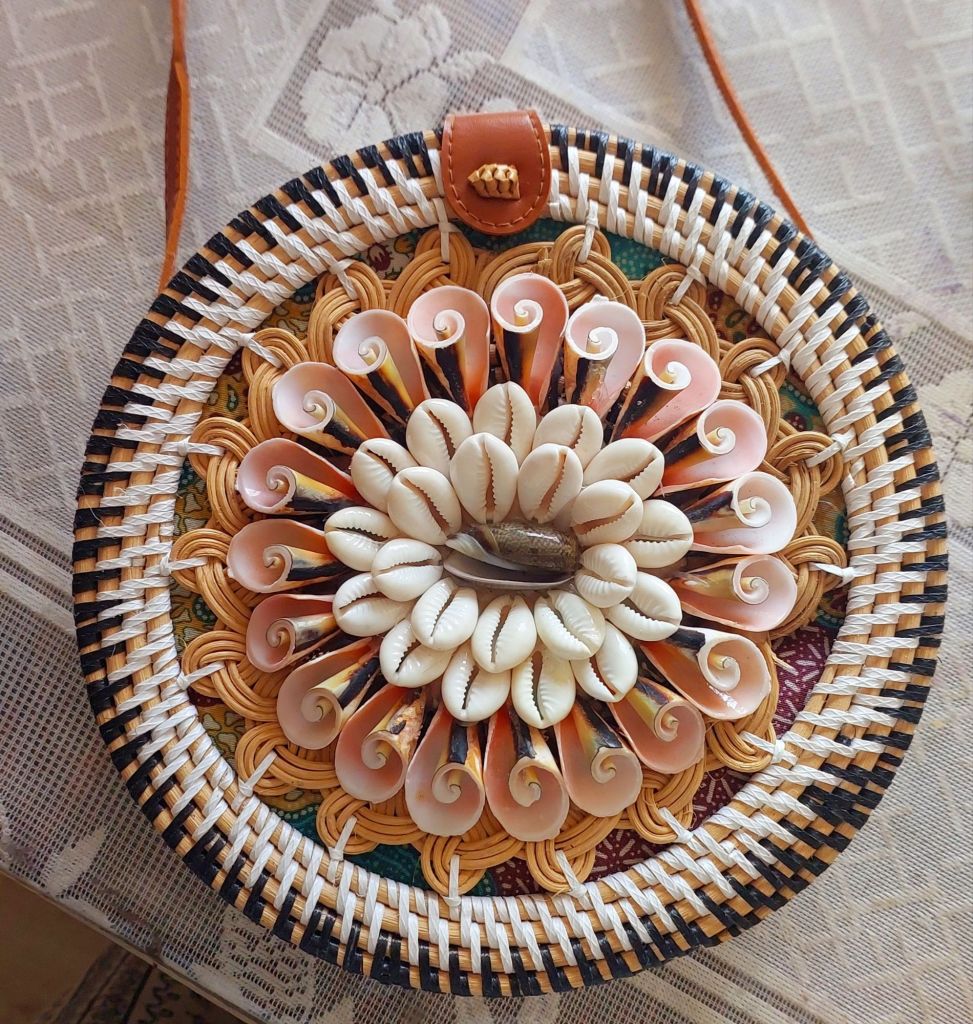
We had many other experiences worth cherishing in Bali – watersports, para sailing, and eating the yummiest Nasi Goreng in Seminyak! We had a blast buying their cane woven bags, with beautiful shell motifs, a shell-based cocktail ring, and even a few sexy sarong and blouson dresses. I also bought a hand-painted wallet featuring a cheery feather motif. Loved the fashion at Ubud Street Market, especially one store which featured gorgeous monochrome outfits with gold stud work.

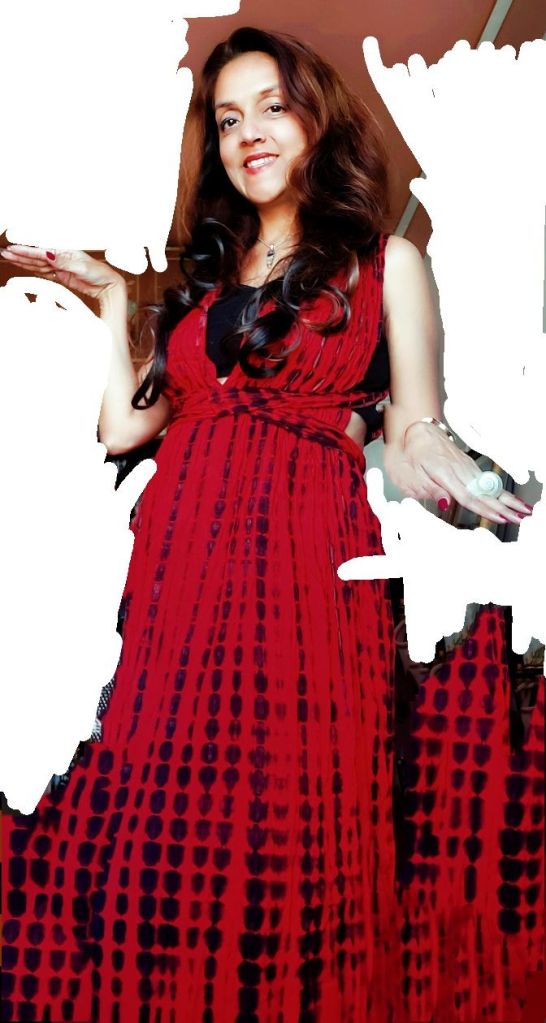
The red and black outfits are from Ubud, the Bali bag from Nusa Dua beach market

BRUNCHING AROUND WATERFALLS

On our last day in Bali, we chose to pay through our noses and book a table at a coveted club. Now when we think ‘club’ in Indian cities, it is rarely a landscaped affair, with picturesque waterfalls and luxe open terraces. This club offered us this lovely sense of proximity with nature while bringing the hugest possible thin crust wood fired pizzas and the nicest of local beers and wines.

Just down from the club, was a mini shopping street, so those who missed out on local goodies stocked up on giftables and dresses before calling it a stay!

 GOODBYE BALI!

As we approached the airport, a friend in the group called our attention to a palm-shaped island – probably manmade – and joked that this was not Palm Jumeirah, but “Chummeirah” – meaning we are kissing it goodbye!


The departure terminal was far more luxurious – the arrival terminal had been more artsy and functional. Here, luxe shopping – especially for local souveniers, spirits, watches, art – offered us plenty to see. I bought a giant embroidered denim bag which  was great to load the extra somethings I was carrying with me. I also figured it was a wonderful bag to have if travelling short distances and one wanted to throw in a cap, a book, a sunscreen, etc etc.

We had an eight hour layover in Singapore, which became a comedy. We were like posh refugees, sleeping on the white leather circular benches around faux trees. Intoxicated with wine from the flight, remembering the most random things – like our PM referring to Donald Trump as ‘Do-Lan Trump’ and Trump calling him a Chi-Walla. The prim and propah Chinese passengers walked up to us, demanding civilised 3.00 am behaviour, so we shut the ** up!

Still, being ever adventurous, I bought some Chinese cookies filled with dried pineapple, while my friends bought their favourite spirits.

One can never get enough of travel!

The moral of the story is, be it Bali or Singaore, nature has been allowed to co-exist with the most sophisticated interiors and exteriors. While we are proud of our infrastructure – the snaking highways zigzagging across the sea – we would be smart to learn from the Asian Tigers to dress them up in Nature. Flowers, plants, trees. Return soul to modernity. If the Ambani’s concrete  Antilla can be dressed in vertical gardens, so can Mumbai!


MEET THE NEW QUEENS!

INDIA HAS CAUGHT ON TO THE IDEA OF ‘INCLUSIVE’ VS ‘EXCLUSIVE’ CELEBRATIONS OF BEAUTY, PERHAPS WITHOUT LOOKING BACK INTO HER HISTORY AS A CULTURE WHERE HER GENE POOL ITSELF WAS INNATELY INCLUSIVE! SANGEETA WADDHWANI LOOKS AT A GLOBAL TREND

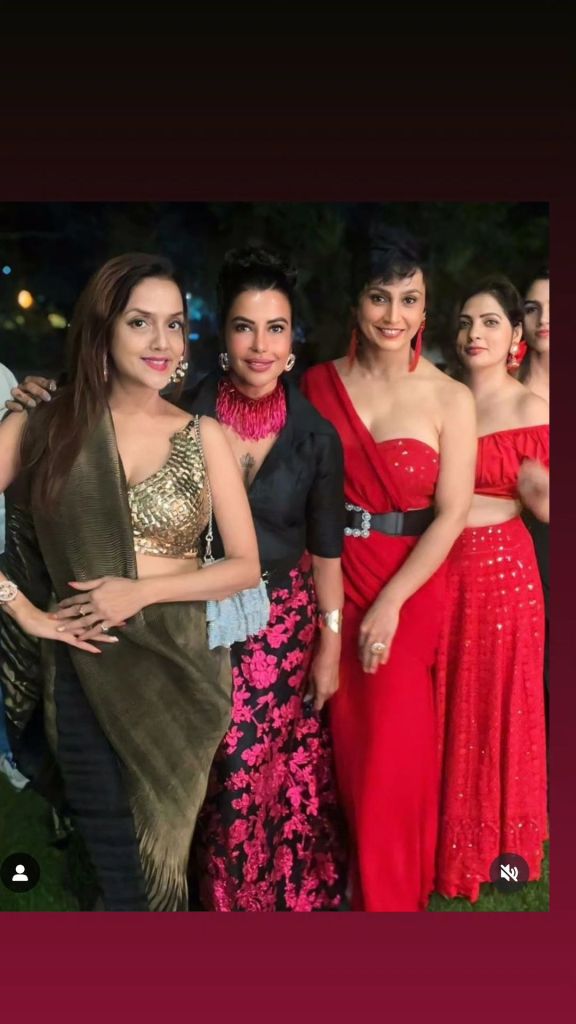
L to R: Sangeeta Waddhwani, (author of this blog), Second Runner Up Elite Queen category, Dr Surpreet Chopra, Dr Indirani and Smita Kekatpure
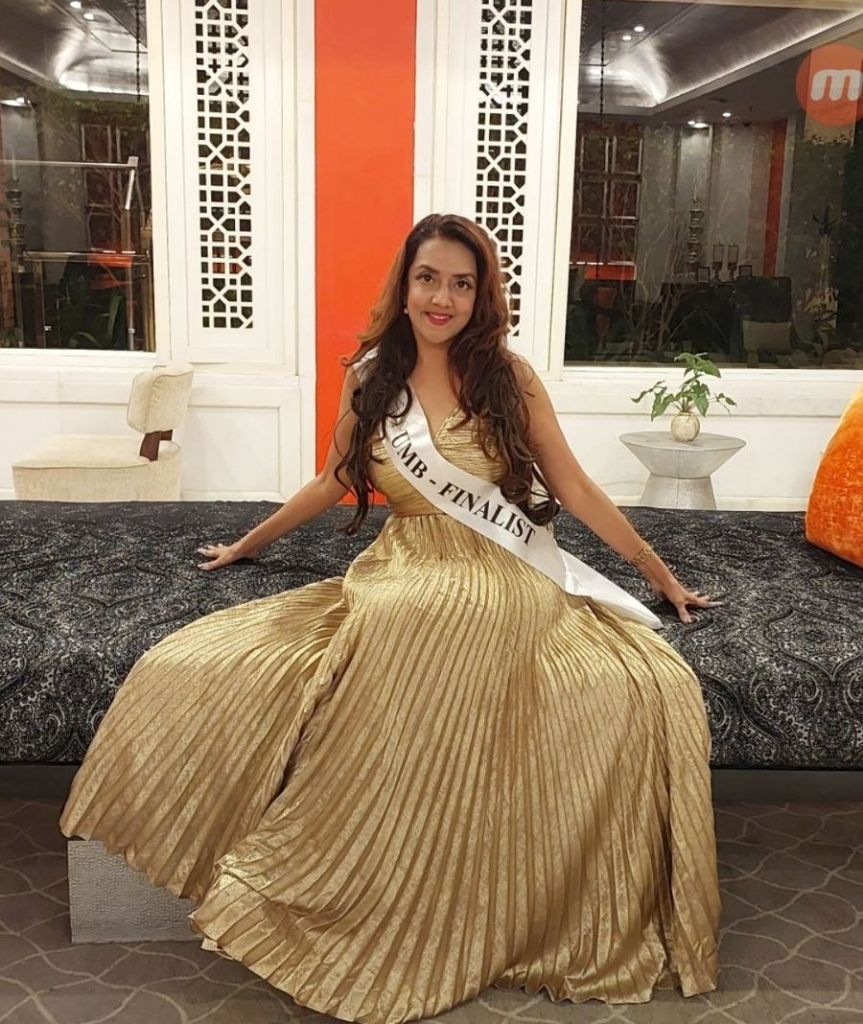
The UMB Queen of the World Pageant Grand Finale for 2024


So you could be 65-years-old, (below) a self-made millionaire, jetting around the world and happy to participate in a pageant that honours not just your timeless appeal, but your achievements. This is the profile of Kay ( Karpal Pannu) from Las Vegas, who bagged a citation for TIMELESS BEAUTY, and who woke up at the crack of dawn to see the Taj Mahal, despite jet lag and despite already packed dawn-to-dinner schedules.

You could be having a mid-life crisis and be looking to revamp your image. Or, you could be a young mom-to-be, flaunting your baby bump through sequined evening gowns, proud to be alpha feminine.  Or, (like me, below), you could be a mere 5”5 self-made diva, highly influential in your industry and hence iconic to your tribe.


Just ten years ago, no international pageant would consider such women fit to enter a ‘beauty’ pageant, because traditional paradigms of beauty were – be above 5 feet 7 inches,  vital stats around 36-26-36, under age 30, and of course, a woman with the conventional attributes – attractive face, great hair, great skin, and stage presence.

 PAGEANTRY AND THE YOUNG ME

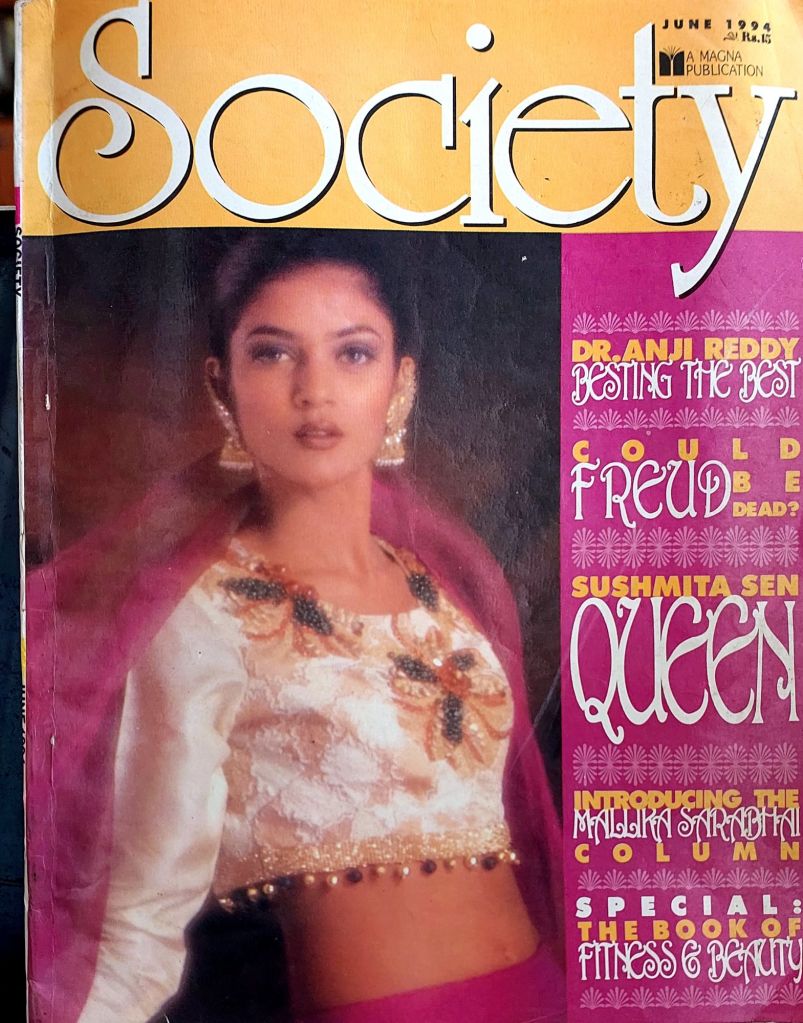
Fate cast me into the heart of old world pageantry success stories when as a cub reporter at Society magazine, I was asked to write the cover story on Sushmita Sen’s victory as India’s first Miss Universe, in 1994. Since the contest was in Manilla, and there were no cell phones, we had zero luck tracking her down for a phone-in interview, though the hotel did put us on to her room!

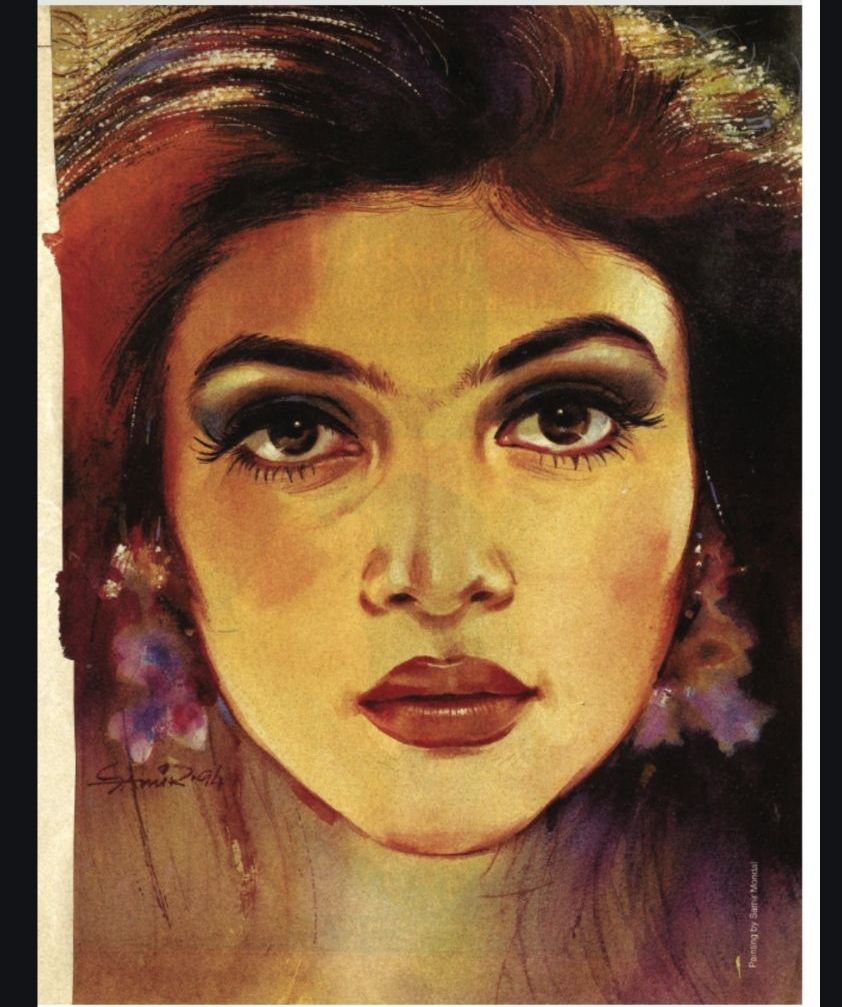
 We summoned artist Samir Mondal to do a rich watercolour portrait of India’s first Ms Universe as no professional shoot was possible while she was still in Manilla

The magazine had a 24 hour window to hit the presses, so all I could do was interview her family, and every photographer, friend, boyfriend, co-model who had anecdotes to share about this exceptional beauty who had shattered expectations and raced ahead of even the most bet-on race horse Aishwarya Rai, to become India’s trump card candidate to Miss Universe.


The Society Cover after Ms Sen triumphed!

That was 1994. I was both in awe and had a tad sense of FOMO seeing these women in their 20s, garnering global attention, repping India in front of millions and forever finding a space in the annals of the entertainment world. The Miss India-to-global-success, fame and fortune story inspired hundreds of middle-class girls to stand for long queues at auditions for pageants, their mothers fussing about and pressuring their little beauties to make a grab for a title. It was a major THING in the 90s… a make or break fairytale that was life-transforming.

PARADIGM SHIFTS:  FEMALE POWER

Fast forward by three decades, and in fact, the conventional-paradigm beauty pageants are getting far less attention. Instead, it is the pageants that aspire to honour women beyond appearances and age paradigms, that are winning hearts and engagement. Note how Instagram posts about Ms Eygpt, Logina Salah, went absolutely viral, fostering conversations on inclusivity and diversity at pageants in general. The lovely lady found a place in the Top 30 candidates at Miss Universe 2024, despite having vitiligo. And we are talking still of the conventional 73-year old Miss Universe pageant, featuring women of a certain age, height, weight.

Logina Salah ranked in the Top 30 contestants sat Miss Universe this year, despite having vitiligo, uneven skin pigmentation

 THIRD WAVE FEMINISM PAGEANTS

The winner in the Elite category, Madhulika Jagdale, in her golden attire for the semi finals

Now watch the curtains lifting on New Age, Third Wave Feminism pageants which are mirrors to a society where women are a far cry from mere visual totems. They are well-groomed, well-spoken homemakers, CEOs, boss ladies, single moms, writers, artists, retailers, accountants, surgeons, entrepreneurs, change leaders and paradigm shape-shifters. It would be an insult to have them parade around in swimsuits making predictable comments about Mother Teresa… caricatures and memes of what beauty queens were doing three decades ago.


With Dr Surpreet Chopra, (Second Runner Up) and Jayya Mala (First Runner Up) in our category of Elite Queens

Here, the jury is out on women having influence, positive social impact, adaptability, along with the older jazz – be fit, be attractive and command the stage with your confidence. The needle of female (audio-visual) relevance, has shifted to include women from age 25 to 65. Because with the advances in science and beauty fixes, ageing is an option….

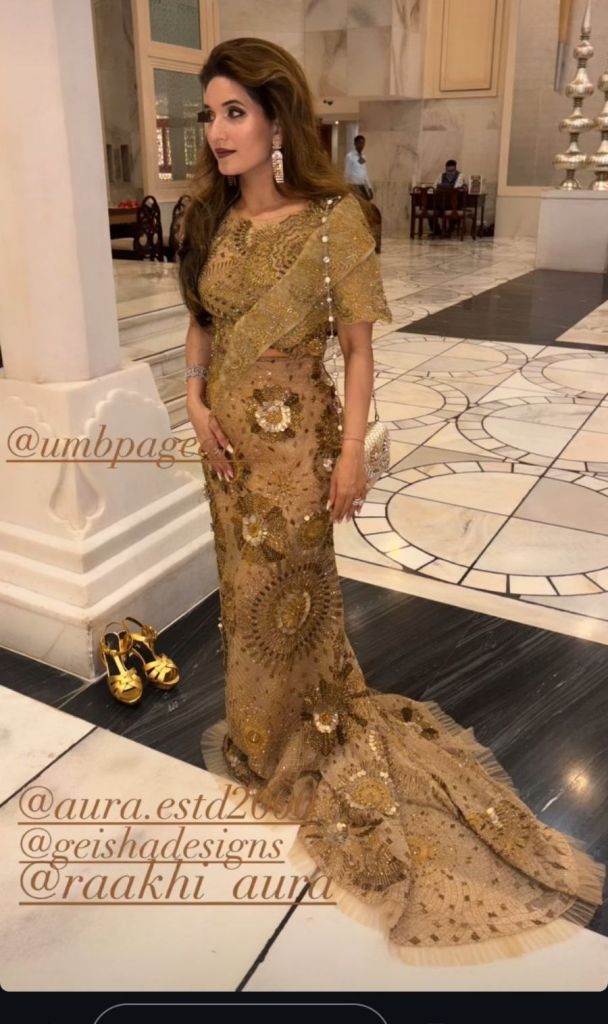
Me basking in the stunning lobby of the ITC Mughal, Agra
With the articulate Prajakta Alberqueque, our mentor for public speaking
A moonlit selfie with the gorgeous
Madhulika Jagdale
Raakhi Ganerriwal, also in my Elite Queen category, who won the Wellness Ambassador citation at UMB Pageants 2024

2024: NO MORE SWIMSUIT ROUNDS AT MISS AMERICA!

As I was researching this blog, I was not so surprised to read that the Miss America pageant had dropped the swimsuit round altogether. Why? According to a website, www.worldimperialbeauties.com, the reason cited was “judging criteria now emphasize personality, talent and social impact. World Imperial Beauties prioritizes community contributions and the ability to inspire.”

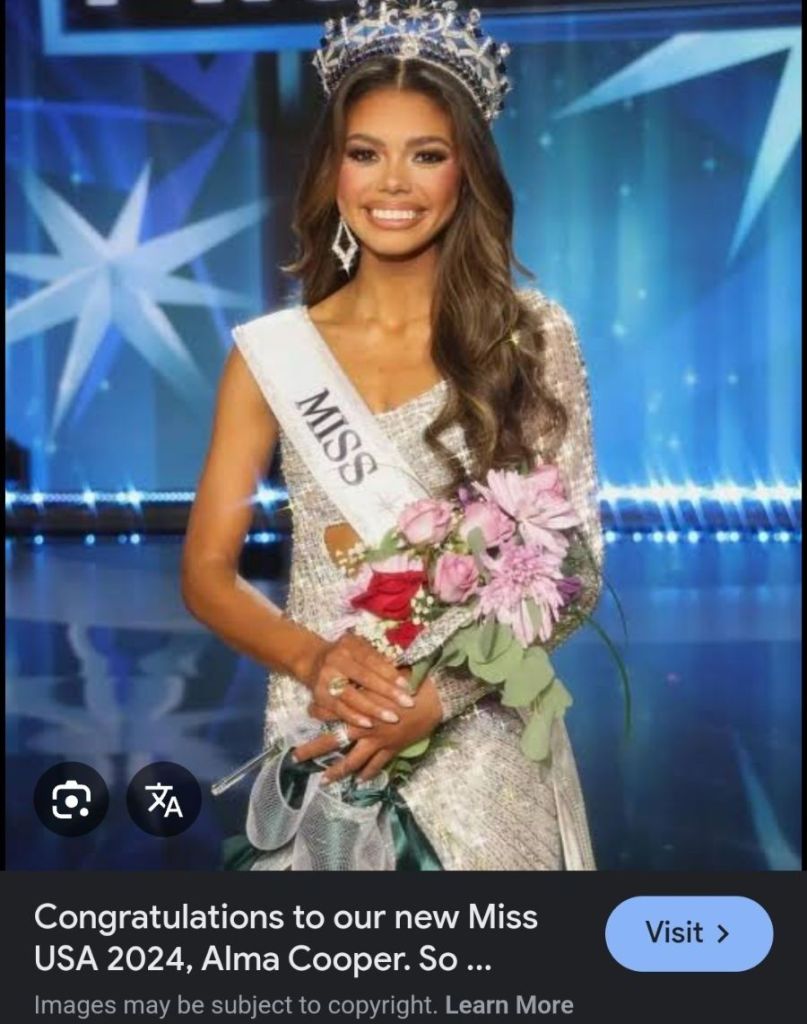
Alma Cooper of Michigan won the Miss America pageant and wishes to address ‘food insecurity’ …she stated that 44 million people and one in five children had this insecurity in the US…the First World!


INDIAN BEAUTY AND GENETIC DIVERSITY

Since the overwhelmingly positive performances by our Miss Indias in the globalsphere since the Ash-Sush double whammy in 1994, (we have since had Priyanka Chopra, Lara Datta, Manushi Chillar, and so many other luminaries emerge), we had a flood of modelling agencies shopping for Indian beauties to enrich their portfolio of models. Yours truly, as Executive Editor at L’OFFICIEL magazine, back in 2003, had been told by Iris Minier, Worldwide Director for the Ford Supermodel of the World Contest, that Indian beauty mystifies the world, because it is such a blend of different races:


YOU HAVE A GREAT GENETIC DIVERSITY – THERE IS NO GENERIC INDIAN FACE.”

–       IRIS MINIER, WORLDWIDE DIRECTOR, FORD SUPERMODEL


Expanding on this idea, Deepti Dutt, then Creative Director, Ford Supermodel Worldwide, had shared, “Indian faces can sometimes have Grecian features, Italian skin and hair tones, and an African thickness of lips, combined with Nordic high and chiselled cheek bones. Some girls look Latina, others Hispanic. So our faces are identifiable across cultures, across markets around the world.”

Little wonder we saw Aishwarya Rai (Bachchan) as the face of Longines for over a decade, Dipannita Sharma for Breguet for half a decade… and Lisa Haydon for Carl F Bucherer. To name just a few.


URMIMALA BORUAH: A QUEEN DISCOVERING NEW QUEENS

 I got to know about and meet ‘Urmi’ when she conducted an Instagram campaign inviting candidates for her Queen of the World 2024 pageant. I liked the idea of playing with a queen identity, not being a spring chicken in my 20s!  With 30 odd years of writing four books and working for five top international media brands, my work was my way of serving the world’s largest democracy and even helping bring the spotlight to women achievers, as two of the five brands I had worked for were for women – ELLE, and L’OFFICIEL.

As the audition unfolded, I found Urmi to be a woman’s woman – offering so many a chance to enter into a spotlight that might change the way they were perceived by family, friends, even colleagues at work. Who does not love to look at an accomplished woman who ALSO burns up the beauty charts?

URMIMALA BORUAH IS THE FIRST INDIAN PAGEANT DIRECTOR TO WALK THE RED CARPET AT THE CANNES FILM FESTIVAL

When not staying up all hours assembling talent and executing the week-long rounds and photoshoots for finalists, overseeing dance and rampwalking training at a top notch hospitality property and a stage lit up with up-to-the-moment LEDs and reflective surfaces… Urmimala is seen travelling the globe.

Why not?  Taking an interest in global glamour platforms is central to her role as Founder and CEO of UMB Queen of the World Pageants. From Paris Haute Couture Week to New York Fashion Week, from bringing her native charms to the red carpet at the Cannes Film Festival to seeing how progressive pageants are conducted worldover, the world is her pearl and oyster

There are many pageants afloat today, and during the week-long training, one heard of ‘scam’ pageants too. Megha Soin, from Dehradoon, shared that her husband had invested upto six lakhs in a spurious enterprise that offered to host a finale in Dubai – “but they had no coaching, no mentoring,  no professional hair and make-up artists,” she rued, feeling so much better at participating with UMB Pageants.

One felt grateful that UMB did rope in amazing talent – ramp training by Tanvi Kharote (@tanvikharote), show direction by Lokesh Sharma (@lokeshsharmaofficial), choreography by Avi B Payal (@avibpayal), stage speech coach Rita Gangwani (@ritagangwani_official), and the delightful Prajakta Alberquerque. We were told that  hair and make-up were by Lakmé.

Click on video to see how proper ramp training by Tanvi Kharaote had us introducing style and swag as we walked on the stage ramp

Coaching and mentoring zoom sessions were lined up for months before the one-week on ground training in real time and space, and many valuable tips could be rehearsed prior, especially Tanvi Kharaote’s beautiful displays of ramp walk styles, poses and the importance of sharing eye contact and engaging the jury and the audience.

ELITE QUEENS: WHO’S THE FAIREST OF THEM ALL?

And of course, candidates were chosen from all over India – from Jammu and Kashmir, Shimla, Dehradoon, Bangalore, Mumbai, Delhi, Nagpur, Assam, Chattisgarh, Ahmedabad… you name the city. We even had a participant from Singapore and one from Las Vegas, who both became dear friends.  


So who topped the charts in our ELITE Queens category?  A very genteel home-maker, with excellent taste in fashion (and gold leafing in her interiors), Madhulika Jagdale, topped our category. (Her daughter also took a title in her respective MISS category). They hailed from Nagpur.

A cardiac surgeon, Dr Surpreet Chopra, who also ran an NGO and had a skincare brand, won second runner-up prize.

First runner up was Mamta Khan, who had founded the Aware Foundation in Ganeshpuri, Maharashtra, for animal welfare. I realized through this experience, that many are the Shalini Passi’s of B-town and C-town India. Diversity and inclusivity…we love the new paradigm!


PAGENTRY, A MULTI-MILLION DOLLAR BUSINESS

At the end of the day, we can see that pageantry lures a growing demographic of women who are solvent, (either through family wealth or self-generated businesses and careers). From all angles, it is a brilliant business to be in. We read this AI generated post on google, “While a precise figure for the size of the beauty pageant industry in India is not readily available, according to current market research, the broader Indian beauty and personal care market is valued at around US$28 billion in 2023 and is projected to reach US$46.6 billion by 2032, indicating substantial growth in the industry which includes beauty pageants as a component.”

Me in the cocktail dress round…feeling like Beyonce!

AI AI, SIR!

SANGEETA WADDHWANI ON THE FEAR, FASCINATION AND THE IMPOSTER SYNDROME WITH ARTIFICIAL INTELLIGENCE

It is finally happening.


We are destroying humanity’s natural propensity to find joy in hard work. We have harnessed our soul’s hunger for organically expressed creativity, by letting technology take over the reins in every sphere – image creation, video creation, PPT creation, social media engagement tools, social media post generation tools, song creation and film trailor creation.


At first, the insta-creativity strikes us as miraculous. All the children of Goddess Saraswati and Goddess Mahalaxmi get their articles, marketing PPTs, essays, deeply moving songs, imagery and social media posts on auto-pilot. With astounding results sometimes, or with results that need some tweeks. Chalta hai. In India, we say, ‘This is so cool – 80,000 songs a day from SUNO… let’s do this…as long as the tool is free!’


What could be the collateral damage?

According to UNESCO, the creative economy, which employs 48 million people and currently contributes 3.1% to global GDP, is expected to account for 10% of the global GDP by 2030. What are we doing to the creative economy, especially in populous nations like India?


Let’s see. For the hundred plus years of our glorious Indian cinema, there were no such tools. Javed Akhtar wrote his Sholay chakki peesing dialogue on the bonnet of a car just before entering the airport to get his flight out of Ramgarh to Mumbai. Today, more than three generations later, most of India can recite that dialogue! Why did it work so well??

It was organic. Spun from our desh ki dharti.


Fast forward to 2024. Let’s imagine a Javedsaab rushing to catch his flight to Mumbai, telling the producer, ‘Pay me my next one crore if you want to extend the script – thoda last minute hai.”


A Gen Z or Y film-maker may not have that kind of a budget. So what do they do? Shop the AI tool bazaar and hit GENERATE to get their dialogue for the sozzled Veeru! A film-maker’s entire marketing campaign and trailor – which at a time would cost him or her a chunk of the film’s budget – can now turn to the new AI ‘talent’ pool – Creatify, InVideo, VideoGen or Ideogram – to get his visual and audio storytelling ideas. Imagine him feeding the prompt – Drunk Lover Threatens Suicide To Get His Sweetheart to commit and get her mother’s objections out of the way… in front of the whole village of Ramgarh.’


We would probably get a polished, impeccable suicide threat speech in globalese with no reference to Mataji getting a lifetime jail sentence where she will be ‘chakki peesing, and peesing and peesing!”


So why are we doing this to ourselves? Making a technology that annihilates the NEED to create, to employ our capacity to be suprahuman, to imagine, to dream?  Is it not written in our sacred scriptures that creativity is inherently Divine, and that all the 64 arts have the power to empower, heal, remove depression, renew and re-energise us? That great works of art build personal and collective legacies?  After all, 81.1 percent of case studies have shown that creative therapy removes stress and improves the energy frequency we emit.


As a mediaperson, I have known how ‘organic’ storytelling impacted me. When I worked for STAR TV’s the Amul India Show, I recall myself and two beefy camera men going to visit the city’s dance bars.  In the four-dimensional world, each HD camera was eight kilos and there were no cell phone cameras to rely on.


 Anyways, we were physically going to visit bars where dancers were shimmying to Bollywood music. We captured the way they lit aggarbatis around the dancefloor, and bowed low, their foreheads touching the nearby God statues, showing gratitude for the platform that paid their children’s school fees and paid the bills.


As a window on India, we were trying to show the OTHER SIDE to the argument that these bars were citadels of sin. Who was really sinning here – the women working for their children, or a government that refused to ‘zoom’ into their sad realities?


Today, social media users can generate a video showing bar dancers (without ever meeting them) and simply spew a caption asking, ‘WHO WILL PAY THEIR BILLS?’  It touches very little in the spirit of the ‘content creator’ or viewer – no nuances here!


We can create clouds for a scene (like we saw in the Oscar-nominated Lagaan) without waiting for Nature. In fact, that is exactly what the Amir Khan production team did, when they needed those pregnant monsoon clouds, bulging, grey, menacing and yet assuring the farmers that abundance will come to their parched lives and lands, once the clouds broke into a ghannana ghannana thunder and diamond pellets of rain.


Recently, the renowned fashion/lifestyle celebrity photographer, Vikram Bawa, shared how AI tools had multiplied the possibilities of image creation, without any sweat, blood, any contact with reality.


There was a time “we would rise at the crack of dawn for a shot with the ‘right light’ by the Yamuna flowing by the iconic and eternally awe-inspiring Taj Mahal in Agra. We had to ‘make friendships’ with the authorities to shoot around the back of the monument, sip chai with them, get to know about their lives and their work, over the few days of the fashion shoot. Slowly, they would see their location, from a fashion photographer’s point of view. ‘Sir, ye light hamme chahiyeYe subha ka light mein meri model sabse khubsurat lagegi.”


Today, he can create the model, prompt for the light, location, clothes, hair, make-up, storyboard – all on AI. The only expense? The price for the tool subscription!


For every advancement in technology, job markets have broken down, only to rebuild accommodating the disruption. But here in the Kaliyuga, we are actually moving to a mediated reality where you will not need teamwork, you can avoid human interactions and idea-swaps and brainstorms altogether, putting that laptop where everybody else used to be. Goodbye to the chai, chats and chaat-fests, goodbye to the naughty jokes about Donald or DOLAND Trump (as our PM called him at the Namaste Trump event in 2020, in Delhi.)

Gone are the chances to grow together, try out new ideas – visceral, visual, musical – and gone is the ethos of failing together, making immaculate memories of working around the clock, screaming with joy at victories.


Years ago, when writing a piece on the Bahai’ faith, after visiting the Lotus Temple in Delhi, I remember the leader, Baha’ullah, predicting that as humanity evolves, borders between nations will cease to matter, preachers will vanish because knowledge will be accessible to all, and we will move towards a collective, global consciousness. “Every one will have the education and intelligence to access the scriptures themselves,” was the spirit of his prediction.

Will there be a day soon, when a robot will dictate my values and choices, and I will be left programmed to say, “AI AI Sir?”


I would add to that, Artificial Intelligence is actually a part of that process, as it shocks me how like a genie, it takes your prompt and can spin whatever you want with such a smooth alignment to your cultural codes, moods and flavours! This is true whether your prompt is Russian, Hindi, British, American…


So in Humanity V3, the Creator in each one of us is going to become tech-enabled, then tech-addicted and tech-dependent. Schools may need two kinds of therapists – one a ‘de-addiction’to the digital tools ‘expert, and another, ‘coping with the pace of innovation’ therapist.


We ask, will there ever be a 100 percent OG creation, in the mediated reality? Will AI tools really replace our ‘tais’ and ‘ais’ (aunts and mother in Marathi)? Old people have seen the quickest devaluation in the Age of Information… dead before they die. For who really wants their offerings of life lessons, epics, songs…paintings?


After all, even First-Gen tech tools like WhatsApp, Messenger services, Facebook, Twitter, Bumble, Tinder – annihilated the idea of us as a monogamous race. We are now moulded by this easy access to multiple relationships, multiple business streams, multiple wardrobe choices – all with a few clicks of a button.


What all this excess has spawned, paradoxically, is an Extreme Loneliness. Every family is a multi-walled fortress where each individual lives in his or her parallel universe, online. We over-document what is of least importance, and often miss the finer stories that need to be documented – like my experience with Mumbai’s bar dancers.


Osho famously predicted a time where technology will take over all money-making endeavours, leaving humanity confronting its empty existence, filled with an undefinable angst. We can take it two ways – self-destruct from the loneliness of empty connectivity and delegated work and creativity, or go the other way – dive deep into organic creation and creativity, spiritual retreats, explore higher ideals, meditate more, spread more peace and wisdom, preserve our planet.  


The more I see AI take away my need to create, the more I shudder.

Who will be the master, who the servant? Can AI tools ever replace the muscle memory of hard work that our artisans carry in their DNA going back 5,000 plus years?

“Ai, Ai, Sir, Ma’am…”


SANGEETA WADDHWANI

CREATIVE DIRECTOR

SAN CREATIVES 

THE CONTENT SHOP

Website: www.sangeetawaddhwani.com

Blog: http://editorspicks.blog (LIFE OF A MAGAZINE EDITOR)

AUTHOR:  SHAKTI IN THE CITY

BOLLYWOOD ON THE BEND

ENCOUNTERS WITH THE RICH AND FAMOUS

MIND THE GAP!

KEEPING UP WITH THE AMBANIS….

The most talked about wedding of the millennium…Anant and Radhika Ambani

WHO DESIGNED WHAT LEHENGA? WHICH IMPORTED ARTISTES REALLY TOPPED THEIR GAME?  DID ANANT REALLY GIFT AUDEMAR-PIGUET WATCHES TO HIS BEST MEN? DID NICK JONAS ACTUALLY TURN DOWN PERFORMING AT THE WEDDING? SANGEETA WADDHWANIOFFERS A NOUVEAU SPIN ON THE 5,000 CRORE GLOBAL SPECTACLE

The Anant and Radhika Ambani nuptial (estimated to have a total expense of INR 5,000 crores or US$600M), has been grist for that giant 24/7 story mill we call social media for nearly half of 2024.

Given how many of our phone screens cracked from the megawattage of the diamonds, we now are #ambaniweddingaddicts…and demand sequel after sequel…! How sad this drama needs to end!

Big Fat Indian Weddings ensure you do get a bit of brain fog, as you consume gigabytes of wedding content till your grey cells submit to a new dementia…Diamondtia.

WELCOME TO THE NETFLIX SHOW: PARTYING WITH THE AMBANIS

The setting at the Jio World Centre for the final chapter of the Anant and Radhika nuptials

Asia’s wealthiest billionaire’s family has set the bar so high on the scale and possibility of a nuptial, they have surpassed even royal weddings around the world.

As we read in The Guardian, “This expenditure is 14 times greater than the US$43.2 million spent on the 2018 wedding of the Duke and Duchess of Sussex, Prince Harry and former American actress Meghan Markle, as reported by CNBC.

It also exceeds the US$48 million expense of Prince Charles and Lady Diana Spencer’s 1981 wedding, now estimated to be around US$163 million in today’s dollars, according to the South China Morning Post.

Additionally, it surpassed the US$45 million cost of the 1979 wedding between Dubai’s ruler Sheikh Mohammed bin Rashid Al Maktoum and Sheikha Hind Bint Maktoum bin Juma Al Maktoum, now valued at approximately US$137 million.

HELLO, WHAT IS A PRE-WEDDING?

Now, how many couples have pre-wedding parties to begin with? This is definitely a precedent, by itself! And any celebration that covers six months odd..from a three-day pre-wedding event in March in Jamnagar,  Gujarat leading up to the official wedding in July, would necessarily need an infusion of celebrities and dignitaries and locations to keep it engaging both for friends, family and guests, and the social media whirl.

Noteworthy expenses for Anant and Radhika’s wedding included US$6 million paid to Barbarian R&B singer Rihanna for a performance at their March pre-wedding celebration, US$150 million for a wedding cruise from Italy to the South of France in May, and US$10 million for a performance by American pop singer Justin Bieber during the July festivities in Mumbai.

Anant, 28, is a classic PhD…Papa Has Dough…quite a lot of it, at a valuation of  US$110 billion. In fact, as of July 16, Forbes ranks Mukesh Ambani’s net worth at US$122 billion, positioning him as the richest person in Asia and the 11th wealthiest globally.

Little wonder neither former UK Prime Ministers Boris Johnson nor Tony Blair, resisted a visit to a nation whose GDP was once demolished by 150 years of British Empire. Just 75 years after we were sucked dry of our self-esteem, scarred by famines and looted of our supremacy as the world’s foremost producers of textiles, spices, architecture, scripture…The Great Ambani Wedding put India back at the epicenter of global wonder and awe.

Reuters reported that Rajan Mehra, CEO of air charter company Club One Air, disclosed that the Ambanis hired three Falcon-2000 jets from his company for transporting guests, with over 100 private planes anticipated to be used for the event.

THE TRUE POTENTIAL OF THIS WEDDING..EVEN POST!

Since profit-making is part of the family DNA, why not edit and structure an entire seasonal show by itself, titled PARTYING WITH THE AMBANIS, and sell it to Netflix as an exclusive? (This will be footage NOT blasted on socials so far!)

Since the family has had three mega weddings, and two massive ‘pre-wedding’ weddings, it will be a reality show boasting the biggest budget ever. A show which has all the truths to make it richer and deliciously stranger than fiction.

Like Nita-ji sitting with her many favourite  jewellers and brainstorming on settings. Like Anant’s sarpej diamonds being attached by his grandmom, such a touching moment, for an Ambani prince. Like the Ambani teams briefing the vendors who will be at Portofino. Enough BTS people and moments and hard work..including dance rehearsals by the Ambani women..and men!

Don’t we see here, the ingredients a hit webseries requires – episodic celebrations, each a Mardi Gras of themed dressing up, famous faces, cordon bleu cuisines, divine locations, lights, camera, action!

And kya storyline bhi hai...childhood sweethearts, innocent hearts, designer costumes, dialogues, filmy people,  filmy dances, Gen X, Y and Z style live gigs (and Gen Z style hook-ups on the cruise to Italy, so we hear!) NOT to mention the international guests and performers..from Former British PM John Major to Marc Zuckerberg to Justin Beiber, Katy Perry, Rihanna, Kim and Khloe Kadarshian, the Back Street Boys, Rema…and so on.

Also an entire Italian port town playing ‘host’ to the Ambani jamboree…Portofino! (Translated, Fine Port)! Mamma Mia meets Modern Maharajas of Millionaire Country…India.

PORTOFINO…HERE WE COME!

From Isha Ambani’s school buddy, the mysteriously viral Orry Awatramani’s YouTube uploads, we see that the port city became a bingefest with marshmallow fondue stalls, Indian masala paneer rolls, (served with crushed Lays chips poured over before rolling up the rolls), pink pasta, some bespoke pastries and even a magician playing some card tricks! Tragedy was, those on a calorie count, (like Orry) had to confess to the sin of gluttony to their inner Padre…he told his captive YouTube viewers, so sheepishly, “I have consumed one week worth of calories in one afternoon!”

There  were so many themed parties on that cruise, I sometimes had to do three changes in one night!” shared a business honcho friend who was onboard that epic journey.

From the enchanting melodies of Italian tenor Andrea Bocelli echoing through the quaint streets of Portofino to the electrifying performances by global icons like Katy Perry and the Backstreet Boys aboard the ship, there was an impressive range of entertainment.

It was a strange mix of hard red carpet work and possibly excess luggage issues from the sheer variety of outfits needed onboard…and many felt they were in a daze through the experience. A hyper-real universe this cruise ship was, sailing between cultures and between time zones, pandering to just those special few close friends and family who the Ambanis were comfortable being around 24/7…be it in tracks or tank tops.  We are talking guests like Shah Rukh Khan, Nawaz Modi Singhania, Ranbir Kapoor, Ranveer Singh…

BACK TO ‘WED IN INDIA’

While on Indian ground, our Bolly people shimmied and tried hard to not feel upended by the Ambani Dance of The Diamonds. Those polkis, jadaos, meenakari beauties screamed India Shining!

https://www.instagram.com/reel/C9YTJPrSdZG/?igsh=OHRqcWk2a3k5cmV6 SHE DECLARES, ” I AM WEARING ALL LORRAINE SCHWARTZ EMERALDS…YOU HAVE TO WEAR EMERALDS AT AN INDIAN WEDDING!”

Meanwhile, reality TV stars Kim and Khloe Kardashian took these jewels to be a social doctor’s prescription and were seen in many-layered blingtastic Indian accessories – particularly emeralds…

Now now this is what I love about American celebrities vs our Desi stars. The sisters jumped into an auto rickshaw to add to their Great Indian Wedding Experience…Lorraine Schwartz emeralds strictly NOT needed…and have announced that they are going to incorporate their wedding moments on their American TV show, an episode hopefully titled, ‘Ambaniness’ meets ‘Tajness’ meets ‘Autorickshaw Goddesses.’

This is why an NRI cousin of mine, based in the US, has praised “the optics” of the Great Ambani Wedding. From a time when the optics going out from India were those of dusty villages (Bandit Queen), slum kids (Salaam Mumbai), and even the much awarded Slumdog Millionaire (unabashedly showing shit piles and slumdogs of Mumbai)…not to forget the grim rape statistics that keep many female tourists away…to now this unabashed, Indian at heart, globe-trotting, hedonistic wedding, screaming of new money and new statistics to take note of! This is a New India…after all!

One doesn’t know how authentic one particular statistic is, claiming that India boasts 850 millionaires, (ranking only after China), and is ‘minting’ a millionaire every half hour!

But that is what one reads in the Wall Street Journal:

I quote, “An Ambani wedding may be in a class of its own, but wealthy families like them aren’t as rare as they once were in India. The country is minting millionaires and billionaires faster than ever, wealth managers and economists say, thanks to a burgeoning economy that is making large businesses richer, while also making it easier to start new ones.” 

The story goes on to another power packed quote, “Today a billionaire is born every month in our country,” said Himanshu Kohli, co-founder of the multifamily investment office Client Associates. “Every 30 minutes there is a millionaire born.”

SPIRITED DANCING

Given that Gujarat is a dry state, I was truly amused to hear my friend assuring me that the floating (cruise) and non floating parties (Jamnagar, Portofino, Jio World Convention Centre) “saw only the best alcohol in the world being served!” Did we not see this in the spirited dancing all around? My favourite video is when Justin Beiber does a one-on-one jam with the aforementioned @orryawatramani whose unintelligible scatting was wild and trippy!

Nita Ambani graciously bids adieu to her guests and apologises if anything were amiss, sharing “ye shaadi ka ghar hai’…this is a home in a bit of chaos due to a wedding…please forgive any oversight!

THE AMBANI LADIES: AS THE NEW INFLUENCERS

Do  you know what trumped the whole shenanigan for me? The shift from Bolly denizens having the highest Influencer Quotient to the members of the Ambani clan doing a complete visibility turnaround.

ALL ABOARD?

Think about it. Nita Ambani’s tiled emerald necklace spawned at least a gazillion or more knockoffs across various jewellery brand accounts – all shamelessly flaunting their copy as being closest to what Mrs A was wearing. Will the Real Best FAKE please stand up?

You have to wear emeralds at an Indian Wedding!” – Kim Kadarshian

Then came the woven textile saree knockoffs.  And in this regard, one is actually quite pleased to see Mrs Ambani’s direct interest in supporting the native weaves of India, particularly those rich silks and brocade bordered sarees from Varanasi. In this photo, Nita Ambani is a picture of Indian  regality in @abujanisandeepkhosla…

When I was Executive Editor at HELLO! I had an authentic story from the famous Shanti Benares family, whose family has owned its own weaving atelier for at least four generations in Varanasi. They told us how intricately embroidered wall hanging compositions featuring Radha Krishna in lush forests, using only the finest of gold zardozi and silks, were commissioned by Nita Ambani as gifts for the special guests invited to Isha and Anand Piramal’s wedding in Italy.

Perhaps due to the trolling the Ambani videos were getting, Nita Ambani appears in a video claiming that the wedding aligned itself deeply to Indian spiritual roots…a video filmed in the sacred town of Kaashi. (https://www.instagram.com/reel/C9T6KP4CGON/?igsh=YWV4Y3B0dDZseHJ).

The  same video shows her injesting street chaat and being a true desh bhakt…showing that vendors from these tradition steeped towns were brought to Antilia to usher in bonafide prayers, conduct rituals and play music…rich rustic flavours to humanise the concrete facades of the Ambani privately owned building on my street!

THE POSITIVE FALL OUTS

Public toilets have been set up near Antilia as well, and daily meals were being served to the humble lift men, watchmen, maids, etc who come to work in the area. Even the police security station was given a shaadi makeover!

But back to the New Crazy Rich Indian phenomenon …this Indian Dream is definitely more deeply entrenched in all of us than any American dream can profess to be!

Let’s face it, official statistics show the average Indian family spends three times it’s average household income on a wedding. PM Modi made sure the last part of the circus happened on home turf..with his WED IN INDIA campaign. Statistics show that one lakh crore rupees are spent by Indians on their ‘international destination weddings.’ Why not nurture the motherland?

Meanwhile, I may hop onto Anant Ambani’s trading app…hoping some of that Ambani magic rubs off this lamp!

Till we meet again…

The wealthiest bride in Asia?

HEERAMANDI: LA WHORES OF TODAY AND YESTERDAY’S LAHORE

TO HEART OR NOT TO HEART? IN AN AGE OF INCREASING AUTOMATION, NON PERSONAL INTERACTIONS AND TINDER VS TENDER LOVE, HEERAMANDI LOOKS LIKE A PARADISE THAT AT LEAST DECORATED AFFAIRS OF THE BODY WITH A HINT OF HEART…SANGEETA WADDHWANI EXPLORES THE WHORES NOT OF LAHORE…

Living with the expectation of love, let’s face it, is like putting your precious heart on a gambling table. There is your heart, emanating feelings, raised on a diet of filial love, Bollywood and fairytales.

But the man spinning the roulette returns it, explaining, “We trade only in what is tangible. Money, sex, sex, money. What is this feeling thing? It is not today’s currency…in fact, this feeling thing only creates a debt! Like a credit card that lends you a dream only to reclaim what you owe with interest. Arre…Hatto! Be a modern Mallikajaan…move with the times, move to the next item in your harem or seduction ki dukkan…that sells…

So LOVE, my dear, is that slippery slope, navigating a gap between illusion and reality. Feelings are irrelevant, often your worst enemy. The proverbial rose-tinted glasses crack once the dreamy strobe lights of the hook-up party die out…and each of the participants (we can’t say lovers) goes their own way.

Am I right, Xennials, Gen Y and Gen Z?

Lets throw into this Age of the Apes behaviour, the swarming tribe of swinging (read cheating) married people, and you have a tamasha the ISKON pundits would decry as an absolute sign of the Kali, Kali yuga, and social scientists will quantify if they can with statistics  (like did you know Bangalore is the infidelity capital of the world, according to Gledeen, the app for married people dating other married people?)  Hmmm…as Bejan Daruwala famously said. ” We live not in a time of astrology, but technology.” Morality is so passe!

Tinder, Bumble, Truly Madly and scores of dating apps often make it possible to put back those rose-tinted glasses. The notion that we have a Soulmate Somewhere Out There. So many men look like they are seeking genuine, soulful connections. But are they?

As one hits the midlife zone, one finds most men  divorced or separated. Some openly declare they are past their personal Age of Hook Ups. Others flash the SEX POSITIVITY tag…such ‘hipsters’ certainly don’t lie!

So now, let’s keep in mind why dating has become a souless exchange, often devoid of even names being exchanged (remember Sonam Kapoors character in Veere di Wedding, waking up next to a man she slept with…forgetting his name? But of course they were both too drunk to care for such social niceties like checking on names!) People are getting naked physically but certainly not unpacking who they are…not for their own self knowledge, and certainly not for that weird other hunk or Babe they bedded.

Who in today’s far more egalitarian times, information saturated times, disruptive times, materialistic times, has the time or energy or inclination to swear by a partner…for the proverbial saat janams (Hindu wedding prayer) or even till ‘death do you part (Christian and Catholic weddings?)

People are lost in the haze of inflation, digital narcissism (yes Gen Z is also called the Selfie generation!), dealing with meltdowns of business models and old strategies…they have Gen gaps with mom and dad, with the boss too, and they are trying to get past traffic and emotional storms …lafda lafdas…would they even notice if a woman walks by them in a public space, with her best Gaja Gamini swag? Fluttering her value-added Korean eye lashes?

So yes, people are choosing Sex. Souless. Seamless. Zip less.. to borrow Erica Jongs favourite monicker.

This is so different from the quasi- loyal sahib and whore bond, where that sahib remained with his whore…by choice and not edict, until the whore’s own  daughter steals him away!  But it is still not without some kind of soul…some deep knowing, some lyricism, some rhythms of familiarity and fondness.

Gauhar Jaan, raped at age 13, grew up to be a legendary Hindustani classical singer, danseuse, and India’s first recorded artiste. She made history in Dec 1911, singing at the famous Delhi Durbar, hosted for King George V. Her grandmother was Hindu, grandfather British, and father, American Christian…embodying the secular tradition in Hindustani classical music

As for the heart? I think the tawaaifs had much more emotional capital invested in their sahibs. They were brave to throw their hearts into that circus ring, and that was an era where the men, being patriarchs, were raised to think of women as the weaker gender…in need of their patronage. So the men too, invested in those connections out of a certain sense of moral obligation to protect this parallel reality, these parallel demi wives…who understood their more primal needs with far greater astuteness.

Compare that to our day and age. Young women are offering their charms to the highest bidder…especially in showbiz…and those already at the top of their game, see a swarm of boy toys happy to do their bidding. I remember this line describing not just Bollywood’s casting couches, but how the whole industry was lubricated by the currency of our times…money and sex.  “Everybody got paid, got laid if they wanted that too…” (from my novel, Bollywood on the Bend, available on Amazon Kindle)

So you’re looking for love? Master the art of hooking up first. Lock up that sentiment before it locks you up! 

CITY TAWAAIFS…LOVE BITES!

Like Julia Roberts in Pretty Woman had her menu down pat, (no kissing, hourly rates), many of today’s independent women also have their agenda down pat.

Some fellas get lucky just buying a woman a Four Seasons dinner. I have scant respect for such trade offs, but I know this to be a common practice especially among young middle class ‘chicks’ in our megapolis’s suburbs.

Other girls play easy to get as soon as they see professional upward mobility. This, in today’s day and age, matters more to them than snagging a rich husband…as one of my mature male friends had shared with me. He was operating from a self-appointed sugar daddy space, hoping to entice a nubile model or actress, 20 something, fair and lovely,  a trophy wife. But wifehood itself didn’t excite any of the hopefuls he liked. “They are not looking for a sugar daddy till they are 35, giving themselves a chance to be rich and famous on their own terms…!”

He was, of course, hugely disappointed!

Meanwhile here was I, midlifing like him, attracting far many more toy boys..young men who I wasn’t seeking to have around! And these nubile paramours have literally put their cards on the table…”No marriage..The institution ain’t working babe…and no emotions please..we are only human!”

So one tries to strip the frosting from the cake…so very unlike Bhansali’s tawaaifs. The modern relating jungle offers no time for poetry, no Gaja Gamini walk of seduction, no chandeliers or mujras…this is a zoo of hormonal exchanges, transacted with no history and certainly no mystery!  Who said we are far more than the sum of our parts!

What happened to the courting of the Divine Feminine? Ours is a culture where even the tawaif was aware of her ability to weave feminine magic …dance, song, poetry, tameez (good manners) and she even wielded soft power, influencing the most powerful minds of the time.  Her clients, the nawabs, were powerful men who often surrendered their logical selves when entering the kotha… and with the added intoxication of perfumes, soft lighting, beauty, social graces, song and dance,  many new ideas were seeded that impacted their day-to-day decisions.

There is this story of a tawaaif who married an English general, and after his passing away, acquired and ran his estate, took care of the administration of his army, slowly masterminding the expansion of her former husbands properties, land and power.

See what I mean? These women had no formal education, but they were shrewd and running a business …even if it was a Heeramandi…where the language of high art, an education in the sola shringaar, and the knowledge of seduction and pleasure…coupled with a hard pragmatism on releasing a tawaaif if she was no longer a favourite…showed an intelligent female tribe…and yes, no denying it’s more vicious side either.

But let’s think back to when our kings had many wives. Those wives eventually learned to be family, and when the men went about their administration, hunts, wars…The women were each other’s truest allies and support systems. Maharani Gayatri Devi had actually felt that the women living in erstwhile extended family were far less prone to depression than the slick, educated, empowered Western woman living by herself in a monogamous marriage and a nuclear family.  Possibly Gayatri Devi had experienced that sense of isolation when holidaying in Europe, living without that prolific sisterhood…with just her husband around…when he was around.

The world as I like to say it, is a different Heeramandi today…but it is a mehfil of transaction. Now let me practice my Gaja Gamini walk for a reel…reel life beats real life for such moves…any day!

THE BIG INTERVIEW!

IF YOU HAVE EVER WONDERED WHAT IT IS LIKE TO BE A JOURNALIST IN AN INDIA CHANGING AT A PACE SHE NEVER HAS BEFORE, CLICK ON THE YOUTUBE LINK BELOW!

Sangeeta Waddhwani has met and interviewed everyone from Bollywood SUPERSTARS Amitabh Bachchan, to Aishwarya Rai Bachchan, to Hritik Roshan, Shah Rukh Khan, Salman Khan, Sonam Kapoor, Priyanka Chopra, Shilpa Shetty Kundra, Sushmita Sen, Sridevi Kapoor, Hema Malini, Dimple Kapadia, Madhuri Dixit and more…

Also… FASHION ICONS Manish Malhotra, Tarun Tahiliani, Abu Jani, Sandeep Khosla, Wendell Rodricks, Sabyasachi, Anita Dongre, Nivedita Saboo, Shivan & Naresh, Pria Kataaria Puri… and that’s just fashion…

She’s also interviewed Royalty, Arts & Humanities Practitioners A.R. Rahman and Deepak Chopra, and Corporate Moguls like the Ambanis.
The full breadth of her work would be too long for Facebook (check out more in her books)!

How we met was a stunning tale of spiritual guidance from my spiritual guides (also in the interview), and this interview and really, “soul chit-chat” was MEANT to happen! Sangeeta gave her take on Spirituality, Synchronicities, Power Women, Patriarchy, Celebrity Journalism and Creativity in India.

Ladies and gentlemen this lady is a gem, who we need to preserve and take care of. I know I will.

Enjoy the interview.

Love
Zephyr

FOR THE LOVE OF THE NEW INDIA!

ENTER THE MAGIC OF THE JAIPUR LITERATURE FEST 2024!

THE 17TH EDITION OF THE JAIPUR LITERATURE FESTIVAL HAD TO OVERLOOK THE ELEPHANT IN THE ROOM…THE ARDENT REVIVAL OF THE SANATANA DHARMA. SOMEHOW THERE WAS A ‘HUSHING’ UP OF POLITICAL POLEMICS, AND A GREATER FOCUS ON NON INFLAMMATORY TOPICS AROUND CLIMATE CHANGE, DIGITAL COMMUNICATION (IS SOCIAL MEDIA ERODING SENSIBILITY)…AND INDIA’S STAKES IN THE GLOBAL VILLAGE..

SANGEETA WADDHWANI PRESENTS HIGHLIGHTS OF HER EXPERIENCE OVER THE CHARGED YET UNEASILY CALM FEST!

The author at this year’s Writers Ball which was held at the Leela Palace, Jaipur

BABY CALM DOWN…

First things first. The Jaipur Literature Festival has calmed down. Maybe it has gone from boisterous, inflammatory teenager to sage, politically well-aligned, cautious adult.

Given the vigour and reinstalled ‘Ram Rajya’ (which touched a deep chord in the majority of our population and in me as well)…can we blame a literature Festival for riding on the right side of the powers-that-be? Especially with elections around the corner?

One recalls the furore that rose in earlier years when poet Jeet Thayil once dared to read a few lines from Rushdie’s Satanic Verses. Newspaper headlines screamed about the great possibility of a lathi charge on the largely student population in attendance. The same threats occurred when Rushdie…(barred from visiting India like MF Husain) was supposed to participate in a session via video conferencing.

The rumblings of a New India were well in place.

We have since forgotten movements like Award Wapsi, in 2015, where artists, writers, and filmmakers returned their national awards as a form of protest against the shrinking tolerance of religious diversity. Remember the medieval mob lynching of a certain Muslim man in Dadri, Noida, because he was allegedly storing beef at home?

“That was when people were not used to a saffronised India…but now we are fully saffronised,” says my former colleague Vishwaveer Singh, (HELLO! magazine).

SAFFRON OR NOT, INDIA GALLOPS!

As the PM of Papua New Guinea, James Marape affirms,, “We are victims of global powerplay… You (PM Modi) are the leader of Global South.”

To be fair, this PM and his ministers have shown that their actions do speak, beyond election promises. Think Nitin Gadkari setting Guiness World records in road infrastructure, Amitabh Kant rebranding and digitising India at breakneck speed, and our armed forces and space programs pushing into new frontiers, making us stand tall in the global arena. India also, for the first time, had the confidence to develop her own vaccine, during the Pandemic…

SECULAR IDEALS? ONCE UPON A TIME…

Harping about the eroding of secular ideals, now, has the feel of an antique scratchy record nobody cares to play. India is too busy looking out for the coolest new schemes, yojanas, superhighways – digital, phygital or otherwise… routes to Mars…because with our PM..anything is possible!

Who cares how dramatic his proselytizing is…we know that he defends India’s ‘native’ strengths in every gesture…and faith is definitely one of them!

SURE WE NEED OUR OWN MECCA!

I am proud to see us re-owning the sacrality of Ayodhya and growing a new consciousness of the beauty of Sanata Dharma. All I am saying is, let’s not forget humanitarian values that transcend religions… every citizen needs their roti, kapda and makan as well as a sense of feeling safe, protected by law and accepted. This January,, I have been listening to my SOBO non-Hindu friends who are atheist, protesting about being asked to put Ayodhya temple flags out on their windows…”Are we not allowed to be Muslim atheists?” they ask, rhetorically.

HINDUISM SEEPS INTO MASS CONSCIOUSNESS, UNAPOLOGETICALLY

But..but…but…heyyy…

Wasn’t it beautiful to see all our Khan superstars do their own Pran Pratishta poojas on January 22? Wasn’t it wonderful to see Parsee entrepreneur Jimmy Mistry stage a yagna at his Della hotel in Lonavla, invoking the blessings of Lord Rama and thanking India for allowing Parsees to escape religious persecution in Iran? Hinduism itself has acquired a breath of life and is “seeping over public consciousness like tea slowly seeping out of a teabag”…to borrow Booker Prize winning novelist Arundhati Roy’s metaphor.

This is not just among Hindus and within India, but worldover. As the American former Beverly Hills resident, now a spiritual voice nestled in the Himalayas, Sadhvi Bhagawati Saraswati puts it, “We are seeing so many people from different cultures and traditions, turn towards so many aspects of the Dharma, for truth, awareness, insight and inspiration.”

JAI SHREE RAM…JAI SHREE SITA MA!

At my arrival at the Jaipur airport, I was amused to note that Spice Jet had launched a direct flight between Jaipur and Ayodhya. I met happy passengers, just back from their pilgrimage to the Ram Lalla temple.

Instinctively I chatted with them and their joy and equanimity was infectious! My Western educated mind kept saying, “OK, we have reinstalled Lord Ram in his rightful birthplace of Ayodhya, but the more challenging task will be to restore his pristine morality, his self-sacrificing stance, in this morally ambiguous era. Isn’t that the bigger task at hand? Can a temple take us back to a society built on the pillars of ‘Praan Jaaye Par Vachchan Na Jaaye?”

A GENUINE REBOOTING OF YOUNG INDIA

The challenge we face is taking young India to the purity of an India that existed before greedy invaders destroyed our Vrindavanas, our temples, poisoned us, divided us, infected us with their class divisions and taught us that all things ‘native’ and ‘vernacular’ were of no use. This includes our languages, philosophies, devotional traditions, epics, polemics, art forms.

Wouldn’t THAT kind of Ram Rajya only happen in the classroom…? A far more potent silent revolution?

WOULD I SURVIVE THE KALIYUG AS A SELF SACRIFICING LORD RAM OR A SITA MA?

We need academicians passionate about contextualising OUR stories to the moral climate of our times. If ISKON Prabhujis can do that, in temples, why not in schools and colleges? Why not foster a culture where debates and questions are permitted, where cross connections between spiritual cultures are encouraged…if done in a spirit of genuine, respectful inquiry!

So many timeless truths are embedded in our ancient stories, so many powerful archetypes with haunting questions…but we grow up not analyzing the Bhagavatam or the Mahabharat, not reading plays by Kalidasa, but ruminating the inaction of a Hamlet or the different realms of magic in MacBeth, by Shakespeare. This is STILL the case in English medium schools.

BACK TO JLF 2024!

As if the Universe overheard my thoughts, I found myself sitting next to a lady who recommended I buy the book,.THE ASURA WAY, THE CONTRARIAN PATH TO SUCCESS, by Anand Neelakantan.

Reading this book, I am thrilled to see how the author has plumbed all the spiritual clichés that we are fed, examining our epic stories and myths and showing a rational way to navigate the clichéd teaching (eg, THOU MUST CONTROL THOU’S ANGER) by showing how our greatest Hindu icons have achieved the greatest of victories by not surpressing anger but by channeling it towards goals that counter injustice. As you travel along the book, you sense how in tune and pragmatic it is for today’s complex landscape to see how ‘vices’ like anger, passion, greed, infatuation, pride, and a competitive spirit…all have their place in propelling one to success, if navigated correctly! Learn the secrets of the Asuras who lived for the Here and Now…because in the Age of Kali, you need to have your own back!

THE ASURA WAY TO HEAVEN IN 2024

NAVIGATING EXPONENTIAL CHANGE

A wonderful assembly of voices and views on the topic, NAVIGATING EXPONENTIAL CHANGE, featuring Albert Read, Arun Maira, Amit Sen, Debashish Chakravarti, and Koel Puri Rinchett (whose book Invisible in Paris was wonderfully evocative around the idea of how in crisis time women form deep sisterhoods which help them navigate Pandemics, and other ‘viruses’ of modern life)…The session was artfully moderated by Arvind Kalia…


I particularly loved how the panelists decoded the swamping of digital media over print, how digital media has insisted on us relooking and rethinking of education models and how technology is going to continue to be a vast, non value-driven force that Gen Z and Gen Y may become totally submerged in. Koel raised a powerful counter intuitive question…”We assume change is good…but I feel even change needs to be observed more analytically; all change is NOT necessarily leading to positive trends.”


Audacious Hope looks at the protests that united farmers across state borders in 2020 and the national outcry following the controversial CAA legislation. From the myriad ways people came to the aid of their fellow citizens during the pandemic to the testing of free-speech boundaries by cultural activists, this book undertakes the task of documenting resistance in its many forms.
Roy challenges the reader with his account of how a proud people are battling to save their beloved democracy. The question is, how can we, through individual and collective action, resist authoritarianism, casteism and majoritarianism? The answer is, of course, through the audacity of hope!


The need of the moment, many identified, was a sense of wonder, innovation, the curiosity and imagination of a child. The unlearning of set methodology and a rapid assimilation of new communication modes with the reach, power and seduction of social media.

Albert Read holds out on navigating change at Conde Nast where he was MD

Albert Read’s book, THE IMAGINATION MUSCLE (he is former MD of Conde Nast and saw many disruptions through publishing before moving out completely and becoming a full time author) sold out immediately post session but I hope to read a Kindle version soon!

Mr Kant waited a full 10 seconds for my phone to click this…it felt like an eternity given his VIP cordon guards pushing him to wrap things up!
The 150 odd hard copies sold out near immediately at JLF 2024

As a leader in his former position with Conde Nast, Albert felt he had to learn to admit he was wrong when employees with far less experience had innovation plans..”it is an era of such rapid change, you have to approach your position with great humility,” he shared.

CLIMATE CHANGE: LITERALLY AND FIGURATIVELY

There was a virtual war between reps of lobbies from the UK, Australia, India and the US in the session, COP28: GLOBAL STOCK TAKE. The discussion opened on the alarming fact that our planet has warmed up by over 1.5 degrees Celsius and is set to breach that if current emission trends continued. The session featured EU Ambassador Herve Delphin, Phillip Green, Alex Hellis, May Elin-Stener, Jeff Goodell, and Sumant Sinha in conversation with Shyam Saran.

The conversation had a slight blame game tonality, as eco-summits often go, which peaked when the American rep predicted that India was slated to be have third biggest carbon emission globally after America and China…given India’s emissios went up by 7 percent in 2022. “For the second consecutive year, India is likely to register the largest growth in CO2 emissions among major economies, as shared by the annual study of Global Carbon Project.”

However, the Moderator Shyam Saran immediately put forward a reality check, saying India only spewed out 2 percent of the total CO2 emissions worldover, even if her population ranks at 17 percent of the global population. The US stands at a whopping 14.9 percent, China at 8 percent and the rest of the world at 4.7 in total.”

His quick defense of India was applauded, but the point he was making was that First World nations were still holding on to ‘protectionist’ policies, not willing to cut back emissions to protect certain industries…all while pressuring countries like India to cut back regardless of economics.

The biggest takeaway for me was when the Australian rep spoke up, saying “Not many people know this, but 80 percent of all solar panels used worldover are Made in Australia!” He also went on to cite many areas where Australia had followed through on climate change reversal.measures, discussed at COP28. Even Finland has been taking strong measures. We do hope India finds eco solutions for carbon emissions soon!

THE PALE BLUE DOT: CHERISHING OUR PLANET

We also had the session, The Pale Blue Dot: Cherishing Our Planet with Founder of Myntra and CureFit Mukesh Bansal, G20 Sherpa to the Prime Minister Amitabh Kant and Chief Economist of Axis Bank Neelkanth Mishra in conversation with NDTV Group Executive Editor Vishnu Som (Presented by Samsung Galaxy Tab S9 Series).

Speaking of the growing industry of space exploration and India’s place in it, Kant said, “We should not be in the space business for space tourism, but to improve the lives of our citizens”. The panel highlighted the role that the private sector and, most importantly, the youth of India must play in the research of space exploration. Bansal, who has also funded India’s first private space company, Skyroot, added, “A lot of young entrepreneurs are understanding that sky’s the limit, literally.”

INNER SPACE FROM OUTER SPACE

A rivetting and soothing morning session, featured the lovely Sadhvi Bhagawati Saraswati, based on her memoir, HOLLYWOOD TO THE HIMALAYAS. When I walked in, she shared an unforgettable scientific truth, that had great spiritual import, and that helped her to heal from an early life filled with abuse: “Your body is constantly rebuilding itself. Certain aspects..like skin..take only a few days for self repair, while your organs can take upto 7 or 8 years to totally regenerate. By the time I stood in front of Pujya Swami, in Hrishikesh, there wasn’t a single cell in my body that had been abused.” Think if how much baggage we can release, emotional, mental, even physical memory…if we think this way! Then, Sadhviji led us to contemplate a ‘Neti Neti’ mediation, where we stop identifying with layers of ‘I’…be it your job title, house, belongings, name, milestones…right down to your face, organs, skin cells, atoms, DNA…

We tried it….and felt weight lifting up …kilos of weight, evaporate! “Now in your purest soul essence, you are part of the Cosmic Oneness, and can create what you wish…or just enjoy your infinities and bliss!”

Sadhvi Bhagawati Saraswati in her session, shares why the Sanatana Dharma reigns across time, across cultures

What an invigorating session!

THE ELEPHANT MOVES!

This book by Amitabh Kant barely touched the Festival bookstore shelves and sold out…twice over! Did I buy it? Will do once they have a Kindle edition…! No excess luggage required!

Yet to launch officially, this book by Amitabh Kant sold out twice over..(two orders were placed at the Festival bookstore!

Amitabh Kant as we know,  is an Indian bureaucrat and was the second CEO of NITI Aayog, a public policy think tank of the Government of India. He is a retired member of the Indian Administrative Service, the central civil service of the Government of India. Amit Kapoor, PhD, is Honorary Chairman at Institute for Competitiveness, India; Visiting Scholar at Stanford University; President of India Council on Competitiveness. While three other panelists were also on board, with TV news anchor Nidhi Razdan as moderator, the most earth shaking facts were shared by Mr Kant.

The discussion around this book brought to light many fascinating facts: AS shared by Mr Kant, “In the last year, we did 118 billion fast payments. Next was China, with 28 billion fast payments. Then India has been moving towards cashless, paperless credit, with a number of young start ups, and now wealth creation has been multiplied by creating stock markets in T2 and T3 cities. We now do digital health insurance. We have created 40 million new houses, (which would mean housing for all of Australia) 710 million new toilets, (which would cover the entire population of Germany) and provided piped water connections to 253 million citizens of India (the size of Brazil!) We have also added 88,000 kilometers of roads!” Shared Mr Kant.

I swear I want to hear a song akin to Shankar Mahadevan’s BREATHLESS cover all these wonderful achievements!

DISCOVERING INDIA AS A BRAND

This was conceptually a very interesting book that one encountered at a closed door high tea at the Clark’s Amer: INDIA UNBOXED: WE ARE LIKE THIS ONLY – 75 Quirky Aspects That Define The Nation. While as a lifestyle/celebrity magazine editor, I often met people in the fashion and entertainment worlds…at JLF one was thoroughly enjoying meeting wizards and witches in diverse areas of magic making!

Safir Anand wore the spirit of Rajasthan’s handicraft on his person, mirrors flashing as cheerfully as his quirky eyeglasses. It was clear this man had an innate understanding of branding..individual..corporate…event branding or government scheme branding!

As senior partner and head of trademarks, and contractual and commercial IP, at Anand and Anand, Safir is recognised as one of India’s top IP attorneys and has over 25 years of experience in advising and representing clients from diverse industries, from fast-moving consumer goods to pharmaceuticals, software, social media, food, media, sports, entertainment, luxury, fashion and government. In a candid moment, he shared, “It was I who suggested to Sanjoy that JLF should become a global brand!’ And so it has!

Meanwhile, I am eager to get started reading this book, described as “written in an engaging style, a heartfelt tribute to an ancient civilisation but a nation young at heart. A country on the cusp of becoming a vishwa guru that still epitomizes why ‘we are like this only.’

Safir Anand with his book, India Unboxed

SAM DALYRMPLE DEBUTS!

It was a delight to meet Sam Dalrymple…a Hindustani at heart who can throw a Hindi phrase at you in a thrice and make you feel right at home! Now if you have a father as prolific a writer and now podcaster, as William Dalrymple…you know you are in erudite territory!

Sam moderated a session titled DETHRONED:THE INTEGRATION OF PRINCELY INDIA, with remarkable confidence and dexterity. Leading a discussion with authors John Zubrzycki and Narayani Basu, he discussed the not-so -bloodless process of wiping out Princely states when India and Pakistan took shape as independent republics.

The discussion covered the dramatic true story of the betrayal of hundreds of Indian princely states by both the departing British and the new Congress government. In July 1947, India’s last Viceroy, Lord Louis Mountbatten, stood before New Delhi’s Chamber of Princes to deliver the most important speech of his career. He had just three weeks to convince over 550 sovereign princely states―some tiny, some the size of Britain―to become part of a free India. Once Britain’s most faithful allies, the princes could choose between joining India or Pakistan, or declaring independence. This is a saga of intrigue, brinkmanship and broken promises, wrought by Mountbatten and two of independent India’s founding fathers: the country’s most senior civil servant, V.P. Menon, and Congress strongman Vallabhbhai Patel. What India’s architects described as a ‘bloodless revolution’ was anything but, as violence engulfed Kashmir and Indian troops crushed Hyderabad’s dreams of independence. Most princes accepted the inevitable, exchanging their power for guarantees of privileges and titles in perpetuity.

Me chatting with Sam Dalyrmple at the Singleton’s party at Clark’s Amer about his session!

SHASHI THAROOR: ON EMPIRE AND POLICY

Two days into JLF and one had seen little sign of our usual repertoire of secular thinkers..be it Shashi Tharoor, Shobhaa De, Suhel Seth or Javed Akhtar. These were authors who believed in a free for all when it came to matters of faith, the cross pollination of beliefs and the challenging of the establishment. Were they banned or had they voluntarily vanished?

My spirits were a bit restored when I finally saw Shashi Tharoor participate in more than one panel! A session I really enjoyed listening to was when Tharoor had two British gentlemen on either side of him, and he found himself countering their racially self-depreciating sense of humour with shocking statistics about what the Empire did to India.

He was also the (weak) voice of the opposition in the session, “Audacious Hope: How to Save a Democracy”, based on a book of that name by Indrajit Roy (Professor of Global Development Politics in the Department of Politics and International Relations at the University of York.. Roy is co-editor of the Cambridge Companion to Indian Politics and Society, forthcoming from Cambridge University Press in 2024. He holds a DPhil from the University of Oxford).

Nidhi Razdan conducted the session with Shashi Tharoor and Roy, about the current state of Indian democracy and their hopes for the future. When talking about the role of dissent and protests in today’s political spaces, Roy said, “It’s better to romanticise protests than to romanticise the governments.”

A loaded statement!

Stressing on the importance of the institutions of our country, Tharoor said, “Elections are not enough. Institutions give power to our democracy… whether it is new institutions or old institutions.” AS the conversation warmed up, Tharoor made it abundantly clear that between elections, India had an authoritarian government.

Indrajit’s book is an archive of efforts by citizens of India to resist the tools of authoritarianism being deployed by the present government. Dissent against the establishment is intrinsic to India, he said. Big and small actions of resistance prop up hope and keep alive a way to rebuild. In the past few decades, ordinary folk in India have stood up to repressive state authority over and over again. Their vital acts of hope preserve the collective spirit of resistance and unwavering resilience necessary to continue the fight for democracy.


ALL THIS…AND THE FAB AFTER PARTIES, SHOPPING AND TOURISTY STUFF!

Our opening night party was at hostess with the mostest, Mita Kapoor’s bungalow…Mita is a serial literary entrepreneur who has conceived and executed many a cultural initiative and been a frequent moderator at JLF.

She runs her own literary agency Siyahi, and has also authored her own book The F Word (full of juicy gastronomic tales). We savoured her lavish buffet dinner with exotic delicacies as we mingled with members of the media, authors and cultural ambassadors.

A waterfall runs in the backyard! How quaint!
Shopping at the Festival Buzzar
Performance at Heritage Night

In summary, the Jaipur Literature Festival may have dropped in its controversy quotient, even the Music Stage had far better artists last year…but there was enough oomph in the overall content, the books, the international participation and the brilliant Heritage Night with Pandit Vishwa Mohan Bhatt..to keep you in a happy, saturated soul space..oh and of course those precious moments meeting the minds shaping our nation…Amitabh Kant, Shashi Tharoor, Sanjoy Roy…moments we wait all year for! Thank you to all at JLF…❤️❤️❤️

ANIMAL: FAMILY WARS, PRIMAL ANGST, BLOODBATHS AND A DESI TARANTINO IS BORN

FAMILY FISSURES AND THEIR SUBCONSCIOUS DRAMAS HAVE BEEN A SUBJECT OF MANY AN EPIC – BE IT A HAMLET HAUNTED BY HIS MOTHER’S HASTY REMARRIAGE AFTER WIDOWHOOD, TO OEDIPUS ACTUALLY MARRYING HIS MOTHER UNKNOWINGLY…TO THE LEGENDARY MAHABHARAT, A BATTLE PITTING KIN AGAINST KIN, GURU AGAINST SHISHYA…SO WHAT IS THE PROBLEM WITH ANIMAL? SANGEETA WADDHWANI ESSAYS AN ANSWER…

In the Hindu treatise of theatre and storytelling, the Natyashastra, all forms of narrative had one soul purpose..to enforce higher moral values on a society. Particularly among the unlettered, who had no direct way to read the spiritual texts meant to throw light on their journeys.

If you look at the basic message of the Bhagavad Gita, it was to show Prince Arjuna that the battle for good vs evil transcends family ties. Every effort was made to negotiate fair terms for both the Pandavas and Kauravas…but when the Kauravas remained mired in greed and injustice, Lord Krishna Himself told Arjuna this was a battle of values, and it would be dharmically correct to vanquish the Kauravas, as souls migrate from body to body, and filial ties are temporal.

When the lead character of ANIMAL, Ranvijay (Vijay) Singh, played by Ranbir Singh, makes a poetic reference to this great epic, the Mahabharat- it is close to the end of the movie, and sadly, a surface reference.

Ranvijay grows up with a deep void, a father-son wound. We first see him as a child who grows up seeking a father who will show him tenderness, concern, love….even while he hero-worships the man at the helm of Shakti Steels…the behemoth family corporation. This is a highly relateable scenario with children born to uber successfull fathers who are just never really there for their children.

In my own journalism journey, I have had a Shah Rukh Khan’s tell me that he has been a better father to little AbRam than to Aryan and Suhana…as he was too busy building his career when the first two children came into his world. “AbRam hangs out on the set, happily…my other two kids had no inclination really to see me at work! I take AbRam to IPL matches…everywhere little kids can go!” he had shared, his eyes all lit up above those disarming dimples.

Ranbir Kapoor had confessed to me that he had a father wound, too. In real life, Rishi Kapoor demanded a certain protocol and distance as a father. He wasn’t inclined to be buddy-buddy…so if Ranbir needed warmth, spontaneous affection, or to offload some trauma..it was mommy Neetu he turned to.

This basic backstory of a father-son wound as an emotional blueprint for Ranvijay Singh, was highly relateable. BUT…one is not so sure it would make an ANIMAL out of a young boy. The question that kept arising in my mind, was, does such a wound insist on creating a homicidal-prone adult?

Also, how plausible is it, that a son who has been exiled by his father, to boarding school, (for avenging the ragging of his sister in a school owned by their family)… is willing to put life and limb on the line when this brute father, Balbir Singh, deals with…and miraculously…survives a threat to his life?

At the viscerel level, Sandeep Reddy Vanga as screenwriter and film-maker, has touched explosive material within Ranbir… Gone is the rather understated method actor who won accolades as the sensitive Barfi who befriends the autistic Jhilmil Chatterjee, or the jilted lover Ayan, who suffers many scenes of unrequited love with Anizeh in Ae Dil Hai Mushkil.

RANBIRVWITH SANDEEP REDDY VANGA

After a long, dry spell Ranbir has been thrown into the deeper trenches of inhabiting an atypical dark hero…something we have seen a Ranveer Singh take on brilliantly as Allaudin Khilji or even as a hyper ambitious Maratha warrior, Bajirao.

SANDEEP RESURRECTS A SUPERSTAR

One won’t be surprised if Sandeep had a pseudo bromance with his leading actor, so intense is this physical revamp. And so hyped is the tagline in the credits and film poster: ‘Starring Superstar Ranbir Kapoor’. It is good to see Ranbir stretching his acting chops, letting Sandeep push him off the proverbial cliff, so he is free to take flight guided by his inner demons.

Yes, in the romantic scenes, which build your appetite to watch the movie, there is a begiiling mix of soft, intoxicating, hooded Kapoor caramel eyes meeting a confident ‘all brawn and primal brain’ swag. Seductive.

THOSE RANVEERIAN TRICKS!

100s of hours of brutal workouts brought about a transformation for Ranbir

One does love the lush, rougish mane Ranbir has adopted, that has also worked like a charm for Ranveer in Rocky aur Rani. We also see him exude a far more sexually self-aware aura… frequently bare chested….again a very Ranveerian trend.

Yes the script does warn us that Ranvijay is alpha male….The very first encounter with his heroine (artfully played by Rashmika Mandanna) warns us of this. The scene? She is set to marry a man introduced to her by family, who she has barely met, but who represents brighter job prospects for her humble, middle class self.

Seeking to throw his childhood lady love a rope to pull her out of such a mediocre partnership, he tells his sweetheart that she is marrying a man who could never hunt, feed and protect his woman…unlike an alpha male (like himself). He hints that the archetype she has chosen to marry (who represents brain power over brawn), wins women over by poetry. In other words, a loser! And to add to that primal vision of the world, he compliments her broad child-bearing pelvis structure, ideal for bearing his children.

Many women have found such dialogues misogynistic, not sexy at all and certainly not in synch with a world filled with alpha females doing the breadwinning, and delegating children to a much later time in life, if at all, or going to surrogates. Clearly, this film prefers to have overtones of the Neanderthal Man (as Shobhaa De says, in her insta-post)..

So as he vows to avenge the attempt on his father’s life, we see RanVijay Singh express his monstrous propensity for self-sacrifice, putting his beautiful body on the line, bloodshedding in a 100 lyrical ways.

One can see Sandeep gunning to be a Desi Tarantino, as music often accompanies the brutal slicing off of limbs, strange masked goons being shredded solo by our troubled homicidal hero…we close our eyes, feel our hearts cringe, and wish an Interval would redeem us. Yet, this very violence is being credited for the film’s blockbuster status…480 crores at the BO…and still counting!

IN QUEST OF TOXIC MASCULINITY?

One wonders, what is Sandeep Reddy Vanga building towards here, in a world where masculine and feminine polarities are melting down? Is it an attempt to take us back to our animal, primal selves, or a nostalgia for a time when human society only had a simple gender binary – no spectrum of Transgender, Homosexuals, Asexuals, Demi Sexuals? A time where men hunted, plundered and lived to drink the blood of their enemies? A toxic masculinity that legitimised the shedding of blood but not tears for fears? And where women, with their child bearing hips, had little to do but keep hearth and hearts of hubby and babies healthy?.

THE WIFE IS JEALOUS OF THE MOL AND FATHER-IN- LAW

To be fair, Rashmika’s character as wife to the alpha male, was not exactly a spectator/doormat. When Ranvijay has a passing and calculated post-marital affair with his enemy’s Mol, ..she delivers some priceless screen moments as the neglected wife trying to re-imagine her husband’s transgressions…and after minutes of asking graphic questions, says words so bitter she compells him to pick up a gun and shoot.

Rashmika plays her character with a consistent streak of worldly scepticism that, to her credit, lends a modern and believable touch. She knows her husband has murdered hundreds and has no fear of his own mortality when it comes to safe guarding his father. She is jealous of that father-love. So are we.

THE BOLD AND THE IMPLAUSIBLE

At a totally logical level, though, we wonder what aspect of his father’s legacy is RanVijay looking to take on? There’s only one dialogue that shows RanVijay being a little clued in to environmental violations by his brother in law – who is entrusted with more responsibilites within Balbir Singh’s Shakti Steel company than RanVijay. Of course when RanVijay finds out that his brother-in-law was part of the attempted murder plot against his father, he finishes him off in the midst of office staff, choking him with his bare hands. Now given a modern world with CC TV cameras…shouldn’t the police have enough evidence to convict RanVijay of manslaughter? But no, Primal Cavemen heros have to go about their real business…unhindered by law and order machinery.

So off RanVijay goes, after many twists and turns of the plot, to murder a distant cousin who was gunning for Balbir’s life due to his grandfather being barred from the family business and legacy due to malpractices.

THE MOST MEMORABLE SCENE

As for a scene that DID work…for me, was when RanVijay tells his father to do some role playing. He tells his father to be the little boy who sought time with his beloved father on his birthday, but who had to see his father fully engaged with the company stocks and the mobile phone. So Balbir starts to do so…saying Papa, Papa…only to be violently rebuked at every instance, by RanVijay acting as his father, Balbir. This kind of Family Constellation therapy is actually used to heal deep family wounds in our day… and in the scene, Balbir finally relents, realising how toxic his parenting had been for his adoring, worshipping little son. In fact there is a fascinating reference to father and son switching roles across lifetimes, and RanVijay saying ‘next time around, I will be your father and will maybe treat you the same way you have treated me in this life…and this Mahabharat will go on.” To which Balbir, tearfully vows never to be such a ruthless father again.

But overall there are so many cracks in the plausibility of the narrative, it makes you want to wake up soon …as if out of a 80s potboiler stupor. I mean RanVijay nearly dies, then has a heart transplant that sees him so fit he slices his enemy’s neck with a knife. Just when we leave the theatre thinking it’s over..you see people running back up the stairs to see one last gory scene!

And you know what? Bobby Deol who plays Abrar..The arch villain whose neck is sliced by his cousin RanVijay, after a gruelling hand combat…has been quoted telling the press..”If Ranbir’s character can be resurrected by a heart transplant, maybe I too will have a miracle surgery and feature in the sequel!”

This is what makes a hit? A hit man’s fantasy?

Worried about the world we live in! And horror of horrors..a sequel is already in the works…with more violence on offer…ANIMAL PARK! Why not just check this whole cray cray family into therapy? Rashmika’s character would so agree!